
Anúncios
Struggling to fall asleep at night? The secret to better rest might be hiding in your music library, waiting to transform your bedroom into a sanctuary of peace. 🌙

Sleep has become one of the most elusive commodities in modern life. With stress levels soaring and screens dominating our evenings, millions of people worldwide toss and turn, desperately seeking the rest their bodies crave. While many turn to medication or expensive sleep gadgets, there’s a surprisingly simple and scientifically-backed solution that’s been under our noses all along: music carefully curated for sleep.
Anúncios
The relationship between music and sleep isn’t just folklore or wishful thinking. Neuroscience has revealed fascinating connections between certain sound patterns and our brain’s ability to transition into restful states. When we understand the mechanics behind this phenomenon, we can harness music’s power to create the perfect soundtrack for slumber.
🎵 The Science Behind Sleep-Inducing Music
Our brains are remarkably responsive to auditory stimuli, even as we drift toward unconsciousness. Research published in the Journal of Advanced Nursing found that listening to music before bed can improve sleep quality by up to 35% in adults struggling with sleep issues. But not just any music will do—the tempo, tone, and structure matter immensely.
Anúncios
When we listen to slow, rhythmic music, our heart rate and breathing naturally begin to synchronize with the tempo. This physiological response, known as entrainment, is the cornerstone of music’s sleep-inducing properties. Songs with a tempo between 60-80 beats per minute (BPM) mirror the resting heart rate, encouraging our bodies to slow down and prepare for sleep.
Additionally, music affects our autonomic nervous system, which controls involuntary bodily functions. Gentle, consonant harmonies activate the parasympathetic nervous system—our body’s “rest and digest” mode—while reducing activity in the sympathetic nervous system responsible for our “fight or flight” responses.
The Role of Brainwaves in Sleep Music
Understanding brainwave patterns helps explain why certain musical elements promote sleep better than others. Our brains produce different frequencies of electrical activity depending on our state of consciousness:
- Beta waves (14-30 Hz): Associated with active thinking and alertness
- Alpha waves (8-14 Hz): Present during relaxation and light meditation
- Theta waves (4-8 Hz): Dominant during light sleep and deep meditation
- Delta waves (0.5-4 Hz): Characteristic of deep, restorative sleep
Music designed for sleep should facilitate the transition from beta to alpha, then gradually toward theta waves. This typically means choosing compositions that progressively slow down, become simpler in structure, and feature repetitive, predictable patterns that don’t demand active listening.
Crafting Your Perfect Sleep Playlist: Tempo Matters Most 🎼
The backbone of any effective sleep playlist is tempo control. While personal preferences vary slightly, scientific consensus points to specific BPM ranges that optimize relaxation and sleep onset.
Start your playlist with music around 80-100 BPM—slow enough to begin the relaxation process but not so slow that it feels jarring compared to your daytime energy levels. As the playlist progresses, gradually decrease the tempo to 60-70 BPM, eventually settling into the 50-60 BPM range for the final tracks.
The Ideal Tempo Progression
Think of your sleep playlist as a gentle descent down a musical staircase. Here’s a framework for a 60-90 minute playlist:
- Minutes 0-15: 80-90 BPM (transition from wakefulness)
- Minutes 15-30: 70-80 BPM (deep relaxation begins)
- Minutes 30-45: 60-70 BPM (approaching sleep threshold)
- Minutes 45+: 50-60 BPM (sleep maintenance)
This gradual reduction gives your nervous system time to adjust without shocking it into wakefulness with sudden changes. Abrupt tempo shifts can actually increase alertness, counteracting your sleep goals.
Tone and Timbre: The Emotional Color of Sleep Music 🎨
Beyond tempo, the tonal qualities of music profoundly affect our ability to relax and sleep. Tone refers to the pitch and harmonic content, while timbre describes the texture or “color” of the sound—what makes a piano sound different from a flute, even when playing the same note.
For sleep music, prioritize lower frequencies and warm timbres. Lower pitches naturally feel more grounding and less stimulating than higher frequencies. Think of the soothing quality of a cello compared to the piercing nature of a piccolo.
Instruments That Promote Sleep
Certain instruments consistently appear in effective sleep music due to their inherent tonal qualities:
- Piano: Versatile with warm mid-range tones; especially effective when played softly
- Classical guitar: Gentle, rounded tones with natural decay that feels calming
- Harp: Ethereal quality that doesn’t demand attention
- Strings (cello, viola): Rich, warm tones in relaxing frequency ranges
- Ambient synthesizers: Can create sustained “pad” sounds that feel enveloping
- Flute and woodwinds: When played in lower registers, creates peaceful atmosphere
Conversely, avoid instruments with sharp attacks, high frequencies, or percussive elements. Drums, cymbals, bright brass, and heavily distorted electric guitars typically increase alertness rather than promoting sleep.
Harmonic Considerations: Keeping It Simple and Consonant 🎹
The harmonic complexity of music—how chords and melodies interact—significantly impacts whether music soothes or stimulates. For sleep purposes, simpler is almost always better.
Consonant harmonies, which sound resolved and pleasant to most listeners, work best for sleep music. Dissonant or unresolved harmonies create a subtle tension that keeps our brains engaged, waiting for resolution. While this tension-and-release pattern is central to compelling musical storytelling, it’s counterproductive when trying to sleep.
Major keys tend to feel more straightforward and less emotionally complex than minor keys, though gentle minor key compositions can work beautifully if they avoid dramatic shifts or intense emotional content. The goal is music that exists as pleasant background—soothing without demanding attention.
Genre Guidelines: What Works and What Doesn’t 💤
While individual preferences matter, certain genres consistently demonstrate sleep-promoting properties based on their typical tempo, tone, and structure.
Highly Recommended Genres
Classical music, particularly from the Baroque and Romantic periods, offers extensive options. Slow movements from piano sonatas, string quartets, and orchestral works provide the perfect balance of interest and tranquility. Composers like Debussy, Satie, and Chopin specialized in contemplative pieces ideal for sleep playlists.
Ambient music was practically designed for this purpose. Artists like Brian Eno pioneered “music for airports”—compositions meant to enhance environments without demanding active listening. This genre typically features sustained tones, minimal percussion, and gentle evolution over long periods.
Nature sounds combined with minimal music tap into our evolutionary relaxation responses. The sound of rain, ocean waves, or forest ambience paired with subtle musical elements creates a powerful sleep-inducing combination.
Acoustic folk and fingerstyle guitar instrumentals offer warmth and simplicity. Without lyrics to follow, these pieces provide just enough interest to quiet a racing mind without stimulating it.
Genres to Approach Cautiously
While these genres aren’t universally problematic, they require careful selection:
- Jazz: Can work in very mellow forms (think late-night standards) but often features unpredictable improvisation that increases alertness
- World music: Varies tremendously; some traditional forms work wonderfully, while others incorporate stimulating rhythms
- Electronic/EDM: Most subgenres are too energetic, though ambient electronic and downtempo can be excellent
- Rock and pop: Even “soft rock” typically maintains tempos too fast for optimal sleep induction
The Lyrics Question: To Sing or Not to Sing? 🎤
One of the most debated aspects of sleep music is whether lyrics help or hinder rest. The answer is nuanced and somewhat personal, but research provides guidance.
For most people, instrumental music works better for sleep. Lyrics engage the language-processing centers of our brains, creating cognitive stimulation that can delay sleep onset. Even if you’re not consciously following along, your brain still processes linguistic content.
However, there are exceptions. Songs in languages you don’t understand can work well, as the vocals become simply another instrument. Similarly, very familiar songs with lyrics might not pose problems because your brain doesn’t need to actively process them—they become predictable background.
If you prefer music with vocals, choose songs with minimal, repetitive lyrics rather than complex narratives. Lullabies exemplify this principle: simple, repetitive phrases that don’t require cognitive engagement.
Volume, Duration, and Practical Considerations 🔊
Creating the perfect sleep playlist involves more than just song selection. How you listen matters almost as much as what you listen to.
Setting the Right Volume
Sleep music should be barely audible—just present enough to mask disturbing environmental sounds and guide your attention inward. As a general rule, you should be able to easily have a conversation over your sleep music without raising your voice.
Many people make the mistake of playing music too loudly, which prevents the brain from fully transitioning to sleep states. The ideal volume is around 30-40 decibels, roughly equivalent to soft rainfall or whispered conversation.
How Long Should Your Playlist Run?
Most adults take 10-20 minutes to fall asleep under ideal conditions, though this varies significantly. Your sleep playlist should run at least 45-60 minutes to accommodate this variation and avoid jarring silence that might wake you just as you’re drifting off.
Some people prefer playlists that run all night, providing consistent audio masking. Others find that music continuing after they’ve fallen asleep actually reduces sleep quality. Experiment to find what works for you, or use a sleep timer to automatically stop playback after a set period.
Sleep Music Apps and Technology 📱
Numerous applications have emerged specifically designed to help you sleep better through curated music, soundscapes, and guided experiences. These apps often feature smart timers, fade-out functions, and extensive libraries organized by sleep-promoting properties.
Popular options include Calm, which offers sleep stories and music specifically composed for rest, and Insight Timer, featuring thousands of sleep meditations and ambient tracks. These platforms take the guesswork out of playlist creation by providing pre-curated collections based on sleep science.
Spotify and Apple Music also feature extensive sleep playlist collections, with the advantage of integrating with music you already own and enjoy. Look for playlists specifically labeled for sleep, relaxation, or meditation rather than generic “chill” or “soft” collections.
Personalizing Your Perfect Sleep Soundtrack 🌟
While scientific principles provide excellent guidelines, the most effective sleep playlist is one that resonates with you personally. Cultural background, musical training, and individual associations with certain sounds all influence how music affects you.
Begin by experimenting with the frameworks outlined above, but pay attention to your body’s responses. If certain songs or styles consistently help you relax and sleep, prioritize those—even if they don’t perfectly fit the “ideal” parameters.
Creating Multiple Playlists
Consider developing several different sleep playlists to prevent habituation. While familiarity is generally positive for sleep music, rotating between two or three playlists every few weeks can maintain effectiveness.
You might also create specialized playlists for different situations: one for particularly stressful nights, another for weekends, and perhaps a shorter version for naps. This variety keeps the experience fresh while maintaining the fundamental sleep-promoting elements.
Beyond Music: Integrated Soundscapes for Deeper Rest 🌊
The most sophisticated sleep audio experiences often combine music with environmental sounds, creating layered soundscapes that engage multiple relaxation mechanisms simultaneously.
Rain sounds paired with piano, ocean waves beneath ambient pads, or forest ambience with acoustic guitar can be remarkably effective. These combinations provide both the physiological entrainment benefits of tempo-controlled music and the primal relaxation responses triggered by natural sounds.
White noise, pink noise, and brown noise—which contain different frequency distributions—can also be incorporated. Brown noise, with its emphasis on lower frequencies, often pairs beautifully with minimalist music to create a deeply grounding experience.
Establishing Your Pre-Sleep Ritual 🕯️
Music becomes even more effective when integrated into a consistent bedtime routine. Your brain forms associations between specific cues and sleep, making the transition to rest progressively easier over time.
Start your sleep playlist at the same point in your evening routine—perhaps when you begin dimming lights or after completing your skincare routine. This consistency creates a Pavlovian response: your brain begins the shutdown process automatically when it hears familiar sleep music.
Combine your sleep playlist with other sleep hygiene practices: reducing screen time, maintaining a cool bedroom temperature, and using comfortable bedding. Music is powerful, but it works best as part of a holistic approach to rest.
Monitoring Progress and Adjusting Your Approach 📊
Track how different musical choices affect your sleep quality. Simple notes about which playlists seemed most effective, how long you took to fall asleep, and how rested you felt upon waking can reveal patterns that guide refinement.
Many sleep tracking apps and wearable devices now offer insights into sleep stages, duration, and quality. While not perfect, these tools can help identify whether your musical experiments are genuinely improving rest or simply creating a placebo effect.
Remember that sleep quality naturally fluctuates based on countless factors—stress, diet, exercise, and more. Give any new playlist at least a week of consistent use before judging its effectiveness.
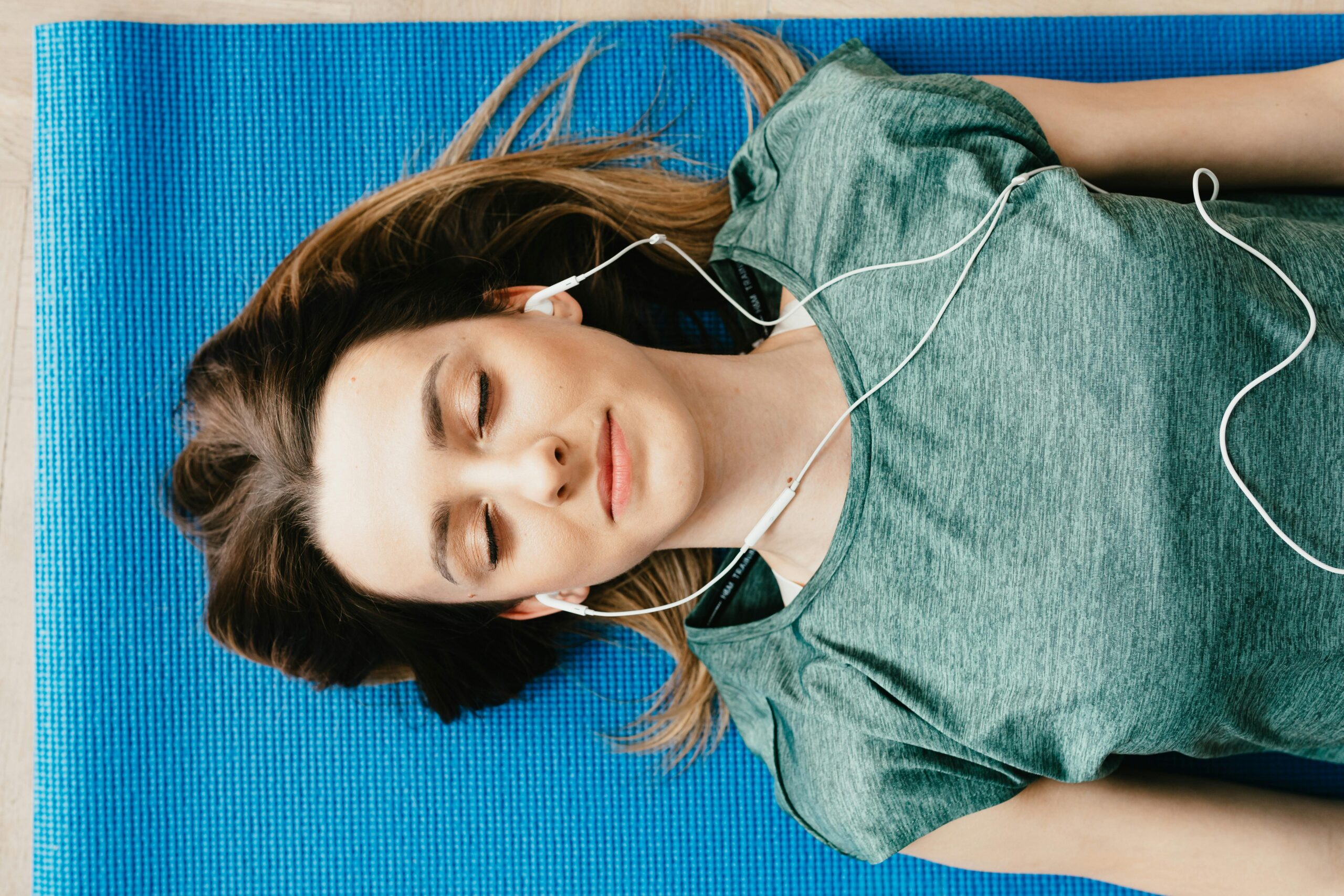
Sweet Dreams Through Sonic Serenity 🌙
The journey to better sleep through music is deeply personal yet grounded in universal principles. By understanding how tempo, tone, timbre, and harmonic content affect your nervous system, you can craft playlists that transform your bedroom into a sanctuary of rest.
Start with the guidelines provided: tempo gradually decreasing from 80 to 60 BPM, warm timbres from instruments like piano and guitar, consonant harmonies that don’t demand attention, and minimal or no lyrics. Experiment with classical compositions, ambient soundscapes, and nature-infused music.
Most importantly, listen to your body’s responses and adjust accordingly. The perfect sleep playlist is the one that consistently helps you transition from the chaos of waking life to the peace of restorative rest.
As you develop your sonic sleep ritual, you may discover that the same music that once merely helped you sleep begins to transform your relationship with rest itself. You’ll start associating certain melodies with deep relaxation, creating powerful mental pathways that make sleep come more naturally and completely. In a world that never stops, your curated collection of sleep-inducing music becomes a nightly refuge—a sonic sanctuary where worries fade and renewal begins. Sweet dreams await in the space between silence and song. 💤