
Anúncios
Creating a peaceful bedroom environment goes beyond choosing comfortable bedding—it’s about strategically designing your space to promote deep, restorative sleep every night.

🛏️ The Foundation: Understanding How Layout Affects Sleep Quality
Your bedroom layout influences more than just aesthetics; it directly impacts your circadian rhythm, stress levels, and overall sleep quality. Research in environmental psychology consistently demonstrates that spatial arrangement affects our psychological state and physiological responses. When your bedroom layout creates visual clutter, disrupts natural movement patterns, or introduces unnecessary stimulation, your brain remains in a heightened state of alertness rather than transitioning smoothly into rest mode.
Anúncios
The positioning of furniture, light sources, electronic devices, and even decorative elements sends subtle signals to your nervous system. A thoughtfully arranged bedroom communicates safety, calm, and order—essential preconditions for the parasympathetic nervous system to activate and initiate the sleep process. Conversely, a chaotic or poorly planned space can trigger low-level stress responses that interfere with falling asleep and maintaining deep sleep cycles throughout the night.
Strategic Bed Placement for Maximum Tranquility
The bed is undeniably the focal point of any bedroom, and its placement deserves careful consideration. Positioning your bed against a solid wall provides a psychological sense of security and stability. This practice, supported by principles found in various design philosophies, creates what designers call a “commanding position” where you can see the door without being directly in line with it.
Anúncios
Avoid placing your bed directly under windows whenever possible. Windows introduce variable elements—temperature fluctuations, outdoor noise, and light changes—that can disrupt sleep continuity. If your room’s dimensions necessitate positioning the bed near a window, invest in heavy, insulating curtains and consider a substantial headboard to create a buffer between you and the external environment.
Distance from the bedroom door matters too. Beds positioned too close to entryways experience more disturbance from hallway sounds, light from adjacent rooms, and the psychological unease of being immediately visible. Ideally, place your bed where you have a clear view of the door but maintain maximum distance from it within your space constraints.
Minimizing Electronic Interference and EMF Exposure
Electronic devices have become bedroom staples, but their presence significantly compromises sleep quality. Beyond the well-documented effects of blue light on melatonin production, electronic devices emit electromagnetic fields (EMF) that may interfere with the body’s natural electrical processes during sleep.
Create distance between your sleeping area and electronic equipment. Position televisions, computers, and charging stations at least six feet from your bed when possible. If you use your smartphone as an alarm, place it across the room rather than on your nightstand—this arrangement also forces you to physically get up to silence the alarm, reducing the temptation to hit snooze repeatedly.
Consider establishing a technology-free zone around your bed. This designated space should extend at least three feet in all directions, creating a sanctuary free from screens, routers, and devices with standby lights. For those who absolutely need certain devices nearby for medical or safety reasons, use airplane mode overnight to minimize wireless transmissions.
🌙 Mastering Light Control Through Thoughtful Design
Light is perhaps the most influential environmental factor affecting sleep quality. Your bedroom layout should facilitate complete darkness during sleep hours while allowing comfortable morning illumination when needed. The positioning of windows, light fixtures, and reflective surfaces all contribute to your light environment.
Layer your window treatments to provide flexible light control. Combine sheer curtains for daytime privacy with blackout panels or cellular shades for nighttime darkness. The hardware supporting these treatments should allow easy adjustment without requiring you to stand on furniture or strain yourself—convenience directly correlates with consistent use.
Position mirrors strategically to avoid reflecting light from windows or doorways directly toward your bed. While mirrors can enhance the sense of space in smaller bedrooms, their reflective properties can amplify unwanted light sources, creating unexpected disturbances during the night. If you have a large mirror, ensure it faces a solid wall rather than windows or light sources.
Temperature Regulation Through Smart Furniture Arrangement
Sleep quality dramatically improves when bedroom temperature remains between 60-67°F (15-19°C) throughout the night. Your furniture layout directly influences air circulation patterns and temperature distribution within the room.
Avoid blocking heating vents, air conditioning returns, or windows that provide natural ventilation. Bulky furniture positioned directly in front of these features creates dead zones with stagnant air and temperature irregularities. Instead, arrange furniture to facilitate air movement, creating gentle circulation that maintains consistent temperature without creating drafts directly over the sleeping area.
Consider the thermal properties of materials in your layout decisions. Dark, heavy furniture absorbs and retains heat, while lighter materials and open designs promote cooling. In warmer climates, position heat-generating furniture like dressers with electronics away from your bed. In colder environments, these same pieces can serve as thermal buffers between sleeping areas and exterior walls.
Soundproofing Strategies Within Your Layout
Noise pollution represents one of the most common sleep disturbances, yet thoughtful layout choices can significantly mitigate sound intrusion. The placement of large furniture pieces creates natural sound barriers that absorb and deflect noise from problematic sources.
Position your bed on interior walls when possible, particularly walls that don’t adjoin bathrooms, kitchens, or shared living spaces. If you must place your bed against a wall with noise concerns, create a buffer using a substantial upholstered headboard or position a large bookcase filled with books against the wall—the varied surfaces and materials provide excellent sound absorption.
Arrange furniture to create distance between your sleeping area and noise sources. A dresser, armoire, or seating area positioned between your bed and a problematic wall provides multiple surfaces for sound to encounter, reducing transmission. Soft furnishings—upholstered chairs, fabric wall hangings, or padded benches—strategically placed absorb sound waves rather than reflecting them.
🌿 Creating Visual Calm Through Intentional Arrangement
Visual clutter creates cognitive load that prevents mental relaxation necessary for sleep. Your bedroom layout should minimize visual stimulation and create clear sightlines that promote tranquility.
Implement the “clear surfaces” principle by ensuring that the last thing you see before closing your eyes is calm and uncluttered. This means nightstands should hold only essentials—perhaps a lamp, a book, and a glass of water—rather than becoming catchall spaces for daily detritus. If your bedroom must accommodate storage, position wardrobes and dressers outside your direct line of sight from the bed.
Create visual balance in furniture arrangement. Asymmetrical layouts can generate subtle tension, while balanced arrangements communicate stability and order. This doesn’t require perfect symmetry—a large piece on one side can be balanced by multiple smaller items on the other—but the overall weight and visual impact should feel equilibrated.
Optimizing Storage to Reduce Visual and Physical Clutter
Inadequate or poorly positioned storage directly contributes to bedroom clutter and the mental restlessness it generates. Your layout should incorporate sufficient storage that’s both functional and positioned to maintain the room’s peaceful atmosphere.
Vertical storage solutions maximize floor space while reducing visual clutter. Tall armoires, wall-mounted shelving systems, and closet organizers keep necessary items accessible without spreading across surfaces. Position these vertical elements along walls that aren’t your primary viewing angles from the bed.
Under-bed storage represents valuable real estate in smaller bedrooms, but only when properly managed. Slide-out drawers or contained boxes prevent the “hiding mess under the bed” syndrome that energetically weighs on a space even when not visible. Ensure whatever system you implement allows easy access without requiring contortionist moves that discourage regular maintenance.
💤 The Importance of Negative Space in Sleep Environments
Empty floor space isn’t wasted space—it’s breathing room that allows both physical movement and psychological ease. Overcrowded bedrooms create obstacle courses that generate stress and limit the room’s perceived purpose as a rest sanctuary.
Maintain clear pathways of at least 24-30 inches around the bed and between major furniture pieces. This clearance allows comfortable movement, makes the space feel larger, and prevents the claustrophobic sensation that interferes with relaxation. If achieving these clearances means reducing furniture quantity, embrace minimalism—fewer, well-chosen pieces create more peace than cramming everything you own into the room.
Consider the psychological weight of furniture mass. Heavy, dark, or oversized pieces can make rooms feel oppressive even when technically sufficient space remains. In smaller bedrooms, platform beds without footboards, wall-mounted nightstands, and furniture with visible legs create visual lightness that enhances the sense of spaciousness.
Addressing Multi-Functional Bedrooms With Zoning Strategies
Many people must accommodate work, exercise, or hobbies in their bedrooms due to space limitations. While not ideal for sleep quality, strategic zoning can minimize the cognitive confusion of mixed-use spaces.
Create distinct zones through furniture placement and visual barriers. A bookcase perpendicular to the wall can separate a work area from the sleep zone without requiring walls. Area rugs define specific functional spaces within the larger room. Even subtle shifts in color palette or lighting style help the brain recognize different purposes for different areas.
Most importantly, ensure work and sleep zones maintain maximum physical separation. Position desks where they’re not visible from bed, ideally in opposite corners or separated by major furniture pieces. This physical and visual separation helps establish psychological boundaries that allow your brain to shift between work mode and rest mode.
Considering Feng Shui Principles for Energy Flow
While some dismiss feng shui as superstition, many of its principles align with ergonomic and psychological design concepts that genuinely affect well-being. Whether you attribute effects to energy flow or practical spatial psychology, several feng shui concepts merit consideration.
The commanding position places your bed where you see the door without being directly aligned with it—this reduces subconscious vigilance about who might enter. Avoiding positioning your bed under heavy beams prevents the oppressive feeling of weight overhead. Keeping the space under your bed clear (or limited to soft items like linens) rather than storing harsh or sharp objects aligns with reducing subconscious tension.
Balanced element representation through materials—wood furniture, soft textiles, metal fixtures, and perhaps stone or ceramic accessories—creates visual and tactile variety that feels more complete and restful than monotonous materials. Whether you believe in literal energy flow, incorporating diverse natural materials does create richer, more satisfying environments.
🎨 Color Psychology and Its Interaction With Layout
While not strictly layout, color choices dramatically affect how spatial arrangements are perceived. Colors have psychological effects that either enhance or undermine your layout’s sleep-promoting potential.
Cool tones—blues, greens, and soft grays—promote relaxation and lower heart rate. These colors make rooms feel more spacious and calm, complementing layouts designed for tranquility. Warm tones like reds and oranges stimulate alertness and can make spaces feel smaller and more energized—less ideal for sleep environments but potentially useful for defining morning preparation areas in zoned spaces.
Consider how color interacts with natural and artificial light throughout the day. Colors that appear soothing in evening lamplight might feel cold or harsh in bright morning sun. Test paint samples in your specific lighting conditions and observe them at different times before committing to large applications.
Seasonal Adjustments for Year-Round Comfort
An optimal bedroom layout isn’t static—it should adapt to seasonal changes in light, temperature, and your body’s needs. Small adjustments maintain sleep quality as external conditions shift.
In summer, lighter bedding, increased distance from heat-generating electronics, and maximizing airflow become priorities. You might shift furniture slightly away from walls that receive afternoon sun or position a fan to create optimal air circulation without blowing directly on sleeping areas.
Winter layouts benefit from layered bedding, positioning beds away from drafty windows, and sometimes relocating to take advantage of morning sun for natural wake-up light. Heavier curtains, draft guards, and repositioned furniture can create warmer sleeping microclimates within the larger room.
Personalizing Your Space While Maintaining Serenity
Your bedroom should reflect your personality without sacrificing its primary function. The key is intentional curation rather than accumulation.
Limit decorative items to pieces that genuinely bring you joy or peace. A single meaningful piece of art creates more impact than multiple mediocre items scattered around the room. Rotate decorative elements seasonally rather than displaying everything simultaneously—this keeps the space fresh without creating visual overload.
Personal items like photographs belong in your bedroom, but their placement matters. Position them where you can enjoy them during waking hours rather than directly in your sightline when lying down. This allows connection with meaningful memories without creating visual stimulation when you’re trying to sleep.
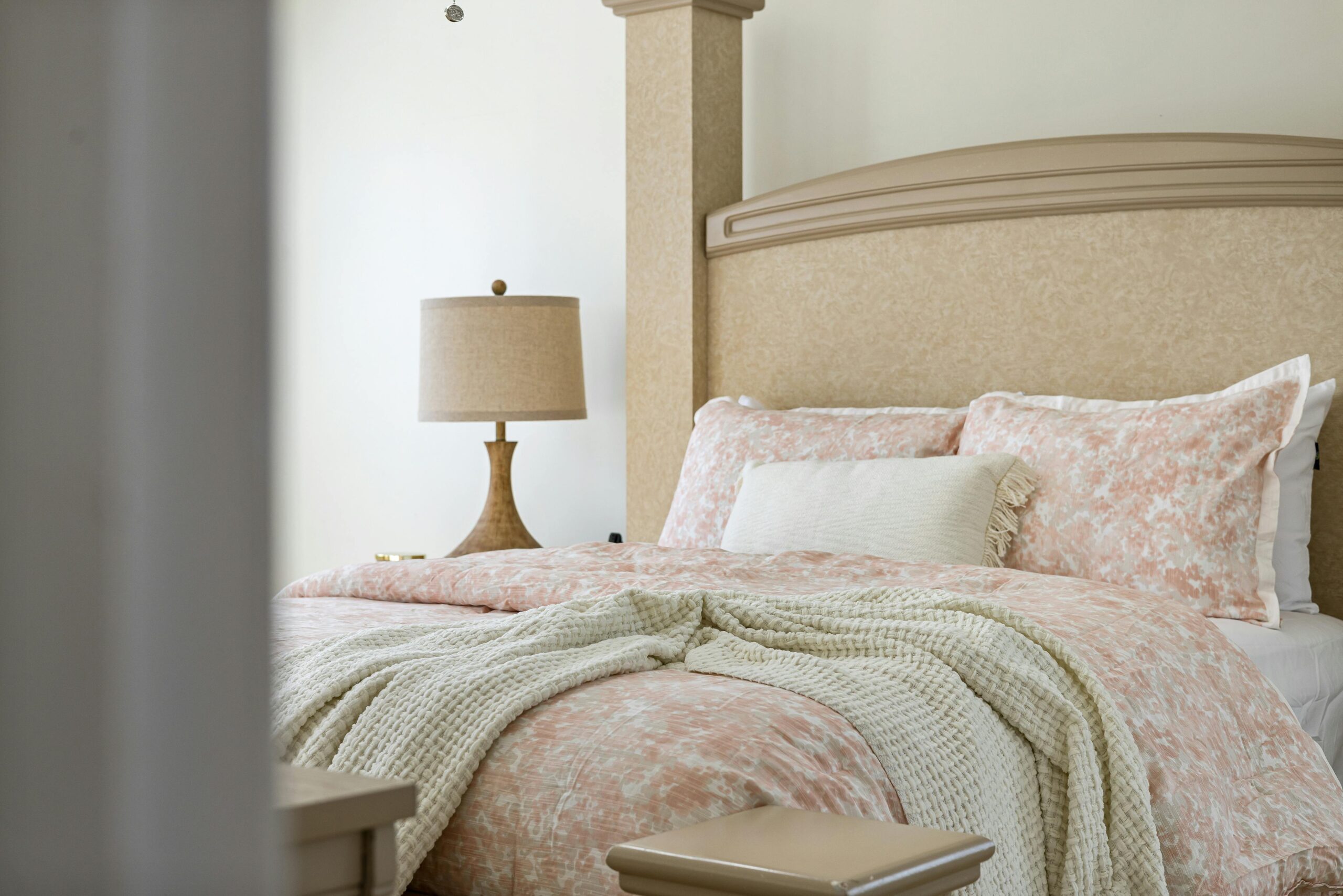
🌟 Bringing It All Together: Your Peaceful Sleep Sanctuary
Transforming your bedroom into a true sleep sanctuary requires viewing layout decisions through the lens of disturbance minimization and relaxation enhancement. Every placement choice either supports or undermines your sleep quality.
Start with the fundamentals: position your bed for security and distance from disturbances, eliminate electronic interference, control light rigorously, and ensure proper temperature regulation. Build on this foundation with sound management, visual calm, adequate storage, and meaningful negative space.
Remember that your ideal layout is personal and may require experimentation. What feels secure and peaceful to one person might feel restrictive to another. Use these principles as starting points, then adjust based on your actual sleep quality and how you feel in the space.
Small changes often yield surprisingly significant results. Moving your bed six inches away from a wall, repositioning a mirror, or relocating your phone charging station might seem trivial but can measurably improve sleep quality. Track your sleep patterns as you implement changes to identify what makes the most difference for you.
Creating a peaceful sleep environment through thoughtful bedroom layout isn’t about achieving magazine-perfect aesthetics—it’s about designing a functional space that serves your biological need for restorative rest. When your bedroom layout actively supports relaxation and minimizes disturbance, sleep stops being something you struggle with and becomes the natural, rejuvenating process it should be.
Your bedroom is the only room in your home dedicated primarily to your well-being and restoration. Investing time and thought into its layout isn’t vanity or perfectionism—it’s recognizing that quality sleep forms the foundation of health, productivity, and life satisfaction. Start with one improvement today, and gradually refine your space into the peaceful sanctuary you deserve. Sweet dreams await in a bedroom designed specifically to deliver them. 💙