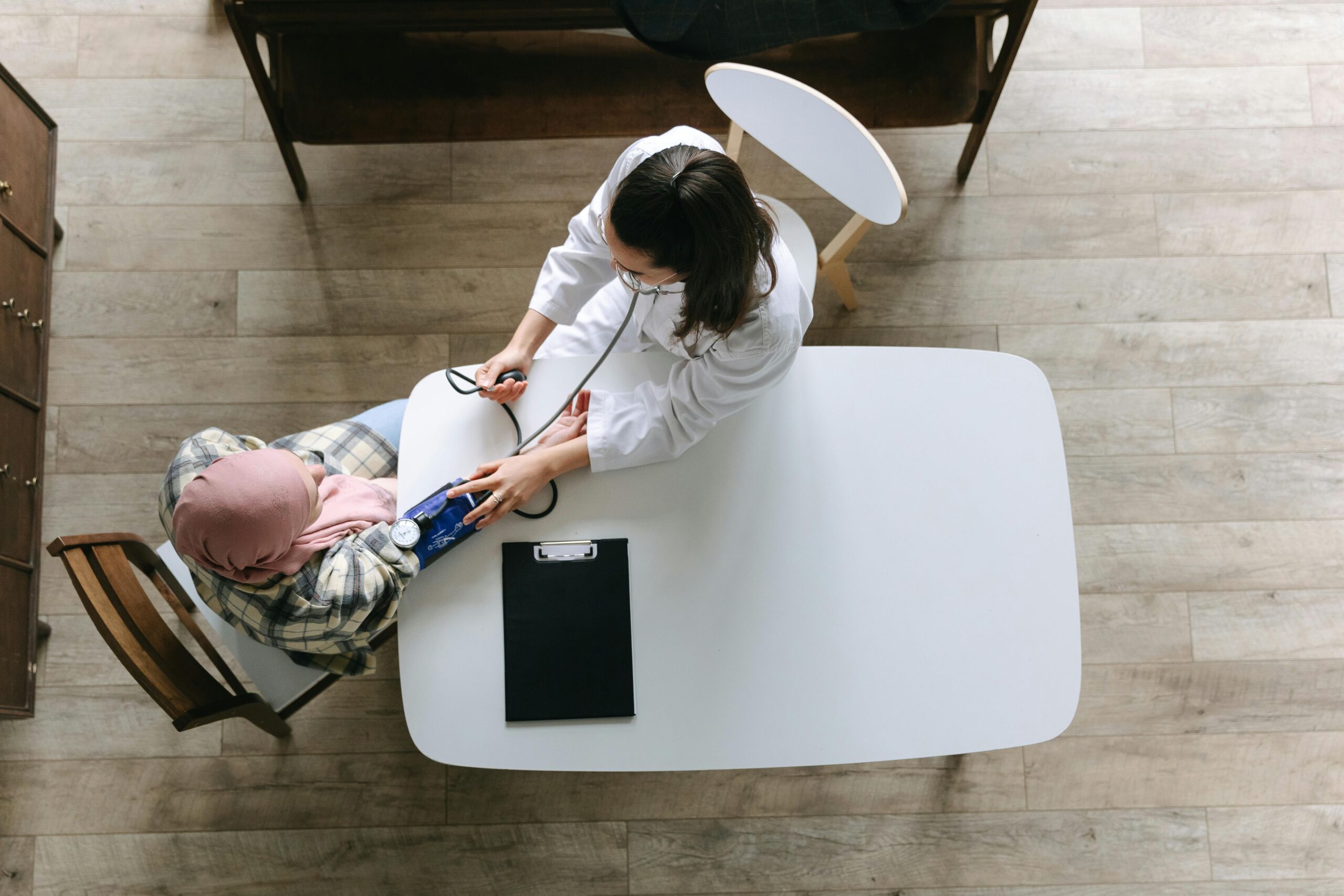
Falling asleep to soothing sounds has become a cherished ritual for millions, but doing it safely requires knowledge and awareness of potential risks.

Whether you’re listening to calming music, white noise, ASMR content, or sleep podcasts, nighttime audio can significantly improve your sleep quality. However, without proper precautions, this beneficial habit could potentially harm your hearing, disrupt your sleep patterns, or create dependencies that affect your overall well-being.
The growing popularity of sleep audio content has created a thriving industry, with countless apps, devices, and streaming services dedicated to helping people drift off peacefully. But as with any technology we bring into our bedrooms, understanding the best practices for safe listening is essential for protecting both our auditory health and sleep quality over the long term.
🎧 Understanding the Appeal of Nighttime Audio
Before diving into safety tips, it’s worth exploring why so many people have embraced audio as a sleep aid. The benefits are numerous and backed by scientific research that demonstrates how certain sounds can positively influence our sleep architecture.
Sound masking is one of the primary reasons people turn to nighttime audio. Environmental noises like traffic, neighbors, or household sounds can fragment sleep throughout the night. By introducing consistent, predictable sounds, you create an auditory barrier that helps your brain ignore these disruptive noises.
Additionally, carefully selected audio can trigger relaxation responses in your nervous system. Slow-tempo music, nature sounds, and binaural beats have been shown to reduce heart rate, lower blood pressure, and decrease cortisol levels—all physiological markers of relaxation that facilitate easier sleep onset.
For many individuals, nighttime audio also provides psychological comfort. The consistency of a familiar sound or voice can create a sense of security and routine that signals to your brain that it’s time to sleep, establishing a powerful conditioning effect over time.
🔊 Volume: The Golden Rule of Safe Listening
The single most important factor in safe nighttime audio listening is maintaining an appropriate volume level. Prolonged exposure to loud sounds, even while sleeping, can cause permanent hearing damage that accumulates gradually over time.
Health experts recommend keeping nighttime audio at no more than 50-60 decibels, roughly equivalent to a quiet conversation or gentle rainfall. At this level, sounds remain audible enough to provide their intended benefits without posing risks to your auditory system.
Your audio should be just loud enough to mask disruptive noises or provide comfort, but not so loud that it becomes a prominent feature in your awareness. If someone standing next to your bed can clearly hear what you’re listening to, the volume is almost certainly too high.
Many modern devices and apps include volume limiting features specifically designed for sleep listening. Taking advantage of these settings removes the temptation to turn up the volume during the night if you partially wake and find yourself reaching for controls.
Testing Your Volume Level
To ensure you’re listening at a safe volume, try this simple test: if you can’t have a normal conversation with someone in the same room without raising your voice, your audio is too loud. Another indicator is whether you experience any ringing in your ears (tinnitus) upon waking—this is a clear warning sign that volume levels are causing stress to your auditory system.
⏰ Duration and Timing Considerations
While it might seem beneficial to have audio playing throughout the entire night, this approach isn’t always optimal for either sleep quality or ear health. Understanding your sleep cycles and how audio interacts with them can help you make smarter decisions about duration.
Most people fall asleep within 15-30 minutes of lying down. Once you’ve transitioned into deeper sleep stages, you typically don’t need continuous audio to maintain sleep. In fact, sounds that were helpful during sleep onset might become disruptive during REM sleep when your brain is more active.
Setting a sleep timer for 30-60 minutes often provides the perfect balance. You get the relaxation benefits during the crucial falling-asleep period, but your ears get hours of rest in silence, and your brain can cycle through sleep stages without auditory interference.
However, individual needs vary considerably. Light sleepers in noisy environments may genuinely benefit from all-night audio masking. If you fall into this category, ensuring proper volume levels becomes even more critical, and periodic “audio breaks” where you sleep in silence can help prevent overexposure.
🎵 Choosing the Right Audio Content
Not all sounds are created equal when it comes to sleep quality and safety. The type of audio you select can significantly impact both how well you sleep and how your auditory system responds to prolonged exposure.
Optimal sleep audio typically shares certain characteristics: it’s consistent, predictable, and lacks sudden changes in volume or frequency. These qualities allow your brain to essentially “tune out” the sound, using it as a stable backdrop rather than something requiring active attention.
Best Audio Types for Sleep
- White, pink, or brown noise: These consistent sound spectrums effectively mask environmental noises and have no melodic elements to capture attention
- Nature sounds: Rain, ocean waves, and forest ambience provide organic variation within a predictable framework
- Ambient music: Slow, melodic compositions without lyrics or dramatic changes maintain a calm auditory environment
- Binaural beats: Specially engineered frequencies that may promote specific brainwave states associated with deep sleep
- Sleep meditations: Guided relaxation scripts designed specifically for sleep onset
Audio to Avoid
Conversely, certain types of content can interfere with healthy sleep patterns. Podcasts with engaging narratives, music with lyrics you know well, or anything with sudden volume changes (like advertisements) can keep your brain partially alert or cause micro-awakenings throughout the night.
Content with emotional intensity—whether suspenseful, exciting, or thought-provoking—stimulates rather than relaxes your nervous system. Save these for daytime listening when mental engagement is actually desirable.
🎧 Headphones vs. Speakers: Making the Right Choice
The delivery method for your nighttime audio matters tremendously for both safety and comfort. Each option comes with distinct advantages and potential drawbacks that deserve careful consideration.
Traditional headphones or earbuds generally aren’t ideal for sleep. They can cause physical discomfort when lying on your side, may fall out during the night, and create more direct sound pressure on your eardrums. If earbuds shift position while you’re sleeping, they might deliver sound at unsafe angles or intensities.
However, if you must use personal listening devices—perhaps because you share a bedroom—specialized sleep headphones designed with flat speakers in soft, comfortable bands offer a safer alternative. These distribute sound more gently and won’t cause the pressure points that standard headphones create.
The Speaker Advantage
Speakers positioned at a moderate distance from your bed typically provide the safest listening experience. Sound disperses through the air, reducing direct pressure on your ears and allowing for more natural audio perception. This setup also makes it easier to maintain consistently safe volume levels.
Modern Bluetooth speakers with good battery life can be positioned strategically in your bedroom to create an optimal sound field. Some people prefer placing speakers near the head of the bed, while others find that positioning them across the room creates a more immersive but less intense experience.
Smart speakers with sleep-focused features have become increasingly popular for nighttime audio. Many include built-in sleep timers, gentle alarm functions, and curated sleep content libraries, making them convenient all-in-one solutions.
🛡️ Protecting Your Long-Term Hearing Health
The cumulative nature of hearing damage means that seemingly safe practices can still cause problems if maintained for months or years without adequate precautions. Taking a proactive approach to auditory health ensures your sleep solution remains beneficial indefinitely.
Regular hearing check-ups become more important when you’re a consistent nighttime audio listener. Audiologists can detect subtle changes in your hearing threshold before you notice symptoms, allowing for intervention before permanent damage occurs.
Ear rest days serve as an important preventive measure. Even with perfect volume levels, giving your auditory system periodic breaks from stimulation helps prevent fatigue and maintains optimal function. Consider scheduling at least one night per week without any audio, allowing your ears complete rest.
Warning Signs to Watch For
Pay attention to these indicators that your nighttime listening habits may be causing problems:
- Ringing, buzzing, or humming in your ears upon waking
- Increased sensitivity to normal daytime sounds
- Difficulty understanding conversations in noisy environments
- A feeling of fullness or pressure in your ears
- Needing to progressively increase volume over time to achieve the same effect
If you experience any of these symptoms, reduce your audio volume immediately and consider consulting a hearing healthcare professional. Early intervention can prevent temporary issues from becoming permanent conditions.
🌙 Creating an Optimal Sleep Audio Environment
Beyond the audio itself, the broader context of your sleep environment significantly influences both safety and effectiveness. Integrating nighttime audio into a comprehensive sleep hygiene routine produces the best results.
Your bedroom should maintain characteristics conducive to healthy sleep: cool temperatures (around 65-68°F), complete darkness or very dim red-spectrum lighting, and minimal non-audio distractions. When audio complements rather than compensates for these fundamental elements, you’ll likely need lower volumes and shorter durations.
Device positioning matters for both audio quality and safety. Keep electronic devices at least three feet from your head to minimize electromagnetic field exposure, and ensure speakers are stable and won’t fall during the night.
Managing Sleep Associations
While audio can be a helpful sleep aid, be mindful of creating rigid dependencies. If you can only fall asleep with specific sounds, you may struggle during travel or power outages. Occasionally practice falling asleep without audio to maintain sleep flexibility.
This doesn’t mean abandoning your audio routine entirely—just ensuring you retain the ability to sleep in various conditions. Think of nighttime audio as a helpful tool rather than an absolute necessity.
👨👩👧👦 Special Considerations for Different Ages
Safe nighttime audio practices vary across age groups, with children and older adults requiring modified approaches based on their unique physiological needs and vulnerabilities.
For infants and young children, maintaining extremely conservative volume levels is crucial since developing auditory systems are particularly vulnerable to damage. The American Academy of Pediatrics recommends keeping nursery audio below 50 decibels—approximately the volume of a quiet dishwasher.
Teenagers and young adults often underestimate hearing damage risks, making education particularly important for this demographic. Since many use personal listening devices throughout the day, nighttime audio should be considered within their total daily sound exposure.
Older adults may already have some degree of hearing loss, creating a temptation to increase volume beyond safe levels. If you find yourself needing progressively higher volumes to hear nighttime audio, consult a hearing specialist about whether hearing aids might be appropriate.
📱 Technology Tools for Safer Listening
Modern technology offers numerous features designed to make nighttime audio listening safer and more effective. Leveraging these tools can significantly reduce risks while enhancing benefits.
Volume limiters and maximum output settings available on most smartphones and tablets allow you to establish hard ceilings that prevent accidental overexposure. Once configured, these settings ensure you can’t inadvertently turn volume to dangerous levels even if adjusting controls while drowsy.
Sleep tracking integration available in some apps provides valuable feedback about how audio affects your actual sleep quality. By monitoring sleep stages and movements, you can assess whether your audio routine genuinely improves rest or creates hidden disruptions.
Automatic fade-out features gently reduce volume over time, allowing you to start at a level that effectively masks environmental noise while gradually decreasing to silence. This approach supports both falling asleep and maintaining healthy auditory rest.
🧘 Beyond Audio: Comprehensive Sleep Wellness
While nighttime audio can be a valuable component of healthy sleep, it works best as part of a broader sleep wellness strategy rather than as an isolated solution to sleep difficulties.
If you find yourself increasingly dependent on audio to fall asleep, or if sleep problems persist despite using audio aids, underlying issues may require attention. Sleep disorders like insomnia, sleep apnea, or restless leg syndrome need professional evaluation and treatment rather than masking through audio.
Stress management, regular exercise, consistent sleep schedules, and limiting blue light exposure before bed all contribute to sleep quality in ways that complement audio strategies. When these fundamental elements are in place, you may find you need less audio support over time.
Mindfulness and relaxation techniques practiced during the day can reduce the need for external sleep aids at night. As your body’s natural relaxation response strengthens through practices like meditation, deep breathing, or progressive muscle relaxation, falling asleep may become easier even in silence.
🔄 Adapting Your Approach Over Time
Your ideal nighttime audio routine isn’t static—it should evolve based on changing circumstances, needs, and responses. Regularly reassessing your approach ensures continued benefits without developing problematic patterns.
Life transitions often warrant adjustments to sleep audio strategies. Moving to a new home with different ambient noise levels, changes in work schedules affecting sleep timing, or relationship changes that alter bedroom dynamics all provide opportunities to refine your approach.
Seasonal variations might also influence your audio needs. Many people find they sleep differently during longer summer days versus dark winter nights, and audio preferences may shift accordingly.
Keep an informal log of what works and what doesn’t. Notice patterns in sleep quality, morning alertness, and any physical symptoms related to your ears. This self-awareness enables continuous improvement and early detection of potential problems.
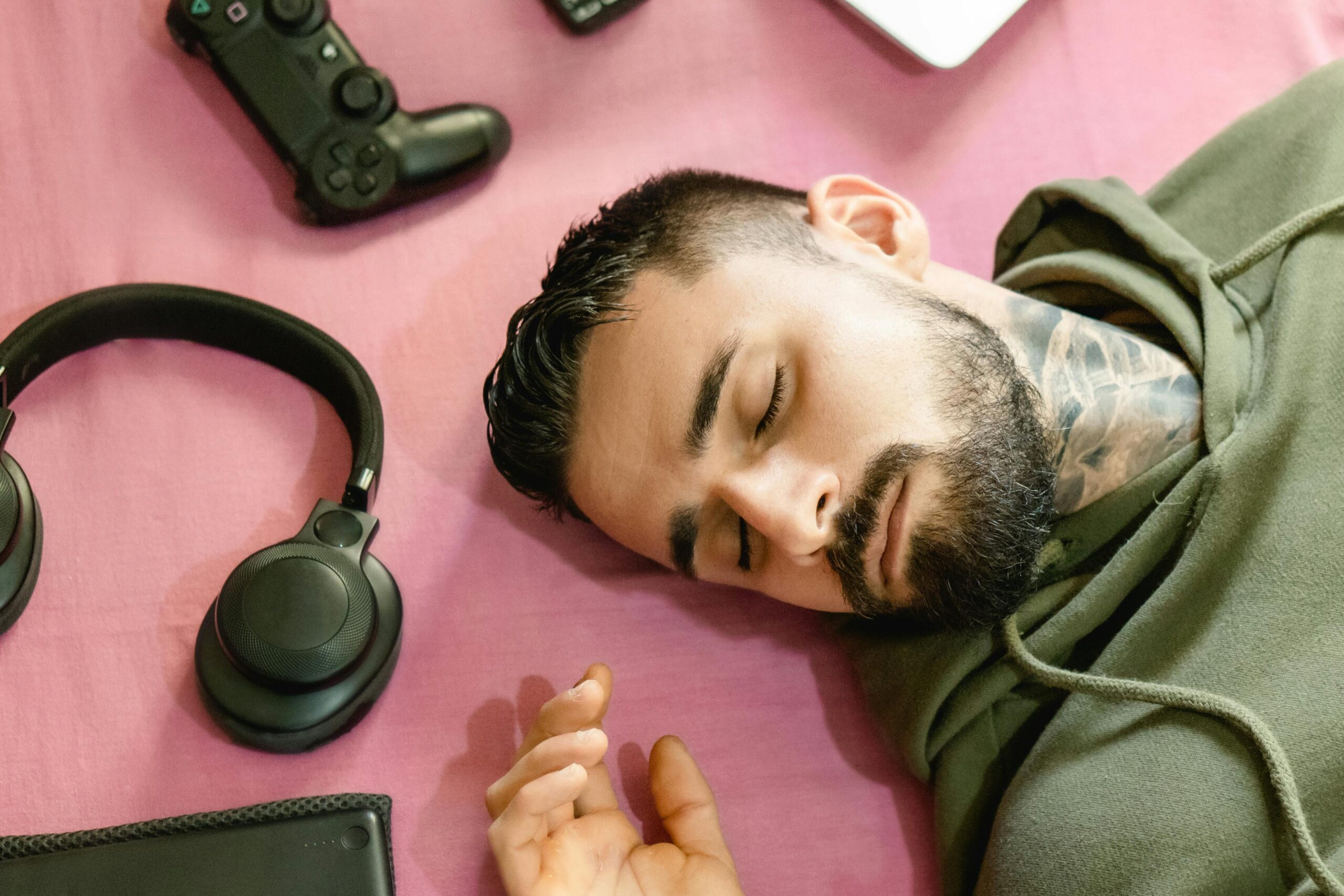
💤 Your Path to Sound Sleep and Safe Listening
Nighttime audio listening offers genuine benefits for millions of people seeking better sleep, but like any tool, it requires thoughtful implementation to maximize advantages while minimizing risks. By maintaining conservative volume levels, choosing appropriate content, using the right equipment, and remaining attentive to your body’s signals, you can enjoy restful nights without compromising your long-term auditory health.
Remember that the goal isn’t perfect silence or complete dependence on audio, but rather finding a sustainable balance that supports your unique sleep needs. Start conservatively, make gradual adjustments based on your experience, and don’t hesitate to consult healthcare professionals if concerns arise.
With these evidence-based strategies in place, you can transform nighttime audio from a potential liability into a powerful ally in your quest for restorative, healthy sleep. Sweet dreams, and safe listening! 🌟