
The way we sleep is undergoing a profound transformation, driven by innovative technologies that promise to revolutionize our nightly rest and overall health.

For centuries, humans have relied on basic elements for sleep: a comfortable surface, darkness, and quiet. Today, we stand at the threshold of a new era where intelligent systems, environmental controls, and data-driven insights are reshaping how we approach rest. The sleep tech revolution isn’t just about gadgets—it’s about fundamentally understanding and optimizing one of our most critical biological functions.
Recent studies reveal that nearly 70% of adults in developed nations struggle with sleep quality at least once per week. This widespread issue has catalyzed an explosion of innovation, with the global sleep tech market projected to reach $40 billion by 2026. From smart mattresses that adjust to your body temperature throughout the night to ambient environment systems that create the perfect sleeping atmosphere, technology is finally addressing humanity’s oldest challenge: getting truly restorative sleep.
🌙 Understanding the Science Behind Sleep Environment Optimization
Sleep isn’t merely the absence of wakefulness—it’s an intricate biological process influenced by numerous environmental factors. Temperature, light exposure, air quality, sound levels, and even electromagnetic fields all play crucial roles in determining sleep quality. Modern sleep technology recognizes these variables and seeks to optimize each one.
Our circadian rhythms, the internal biological clocks that regulate sleep-wake cycles, are particularly sensitive to environmental cues. Blue light from screens disrupts melatonin production, while even slight temperature variations can interrupt deep sleep stages. Understanding these mechanisms has enabled engineers and sleep scientists to develop targeted solutions that work with our biology rather than against it.
The concept of sleep architecture—the cyclical pattern of sleep stages throughout the night—has become central to sleep tech development. A complete sleep cycle includes light sleep, deep sleep, and REM (rapid eye movement) sleep, each serving distinct restorative functions. Advanced sleep technologies now aim to protect and enhance each stage by maintaining optimal environmental conditions throughout the night.
🌡️ Temperature Control: The Cornerstone of Sleep Innovation
Perhaps the most impactful environmental factor affecting sleep quality is temperature. Research consistently shows that the ideal sleeping temperature ranges between 60-67°F (15-19°C), yet traditional climate control systems struggle to maintain this narrow range efficiently.
Smart mattress cooling systems have emerged as game-changers in this domain. These technologies use water circulation, air flow, or phase-change materials to regulate bed surface temperature independently from room temperature. Some advanced models feature dual-zone temperature control, allowing partners with different thermal preferences to customize their side of the bed.
Thermoelectric cooling pads represent another innovation, using the Peltier effect to actively cool or warm sleeping surfaces without bulky machinery. These devices connect to smartphone apps that learn your temperature preferences over time, automatically adjusting throughout the night as your body temperature naturally fluctuates during different sleep stages.
Dynamic Climate Adaptation Systems
The latest generation of bedroom climate control goes beyond simple temperature adjustment. Integrated systems now monitor humidity levels, adjusting both temperature and moisture content to create the optimal microclimate. Maintaining humidity between 30-50% prevents the dry air that causes throat irritation while avoiding the excessive moisture that promotes allergen growth.
These smart systems use predictive algorithms that anticipate your sleep patterns. By analyzing historical data, they can begin cooling your bedroom 30 minutes before your usual bedtime, ensuring optimal conditions when you’re ready to sleep. Some models even account for seasonal variations and weather patterns, making proactive adjustments.
💡 Lighting Technology: Orchestrating Your Biological Clock
Light exposure profoundly influences our circadian rhythms, making lighting technology one of the most critical components of the sleep tech revolution. Smart lighting systems now go far beyond simple dimming, offering spectral control that aligns with our biological needs throughout the day.
Circadian lighting systems automatically adjust both brightness and color temperature throughout the day. Morning light features blue-enriched wavelengths that suppress melatonin and promote alertness. As evening approaches, these systems gradually shift toward warmer tones with reduced blue light, signaling your body to prepare for sleep.
Sunrise simulation technology has gained particular attention for its ability to ease morning awakenings. Rather than jarring alarm sounds, these systems gradually increase light intensity over 20-40 minutes, mimicking natural dawn. This gentle awakening allows for a more natural transition from sleep to wakefulness, particularly beneficial for those who wake before sunrise.
Blackout and Light Pollution Solutions
While smart lighting addresses indoor illumination, innovative window treatments tackle external light pollution. Automated blackout systems use smart motors to close light-blocking shades at programmed times. Some advanced versions include sensors that detect ambient light levels and adjust accordingly, ensuring complete darkness regardless of outside conditions.
Light-filtering glass represents an emerging technology that can actively change opacity based on time of day or user preferences. While currently expensive, this technology promises to become more accessible, offering seamless integration between indoor and outdoor environments without compromising sleep quality.
🎵 Sound Engineering: Creating the Perfect Acoustic Environment
Unwanted noise ranks among the top sleep disruptors, yet complete silence isn’t always ideal either. The sleep tech revolution has produced sophisticated acoustic solutions that balance silence with beneficial sound.
White noise machines have evolved dramatically from simple static generators. Modern devices offer a spectrum of sound options including pink noise, brown noise, and nature sounds, each with distinct frequency profiles that mask disruptive noises differently. Some systems use adaptive sound technology that automatically adjusts volume and frequency based on detected environmental noise.
Active noise cancellation for bedrooms represents cutting-edge innovation. These systems use strategically placed microphones to detect noise, then emit counter-phase sound waves that cancel unwanted sounds. While challenging to implement in open spaces, some manufacturers have created headband-integrated systems that provide personal noise cancellation without uncomfortable earbuds.
Binaural Beats and Sleep Sound Therapy
Emerging research into binaural beats—slightly different frequencies played in each ear—suggests potential for promoting specific sleep stages. Some sleep apps now incorporate these frequencies, claiming to facilitate faster sleep onset and deeper rest. While scientific consensus remains incomplete, user reports indicate promising results for many individuals.
Sound masking systems for couples address the challenge of different noise preferences. Advanced audio systems can create personalized sound zones, delivering white noise to one partner while providing silence or different sounds to the other through directional speakers or personal audio devices.
🌬️ Air Quality Management: The Overlooked Sleep Factor
Indoor air quality significantly impacts sleep quality, yet it remains one of the most neglected aspects of sleep environments. The concentration of carbon dioxide, volatile organic compounds (VOCs), and particulate matter all affect sleep quality and overall health.
Smart air purification systems now integrate with comprehensive sleep tech ecosystems. These devices monitor multiple air quality parameters and automatically adjust filtration levels. Advanced models feature quiet operation modes specifically designed for sleeping hours, reducing noise while maintaining effective purification.
Oxygen enrichment systems represent a frontier in sleep environment optimization. While not necessary for most people, those at high altitudes or with certain respiratory conditions may benefit from systems that slightly increase oxygen concentration, promoting deeper sleep and better recovery.
Humidity and Air Circulation
Smart humidifiers and dehumidifiers work in concert with temperature control systems to maintain optimal moisture levels. These devices communicate with other smart home components, creating a coordinated approach to environmental management. Some models incorporate essential oil diffusion capabilities, allowing for aromatherapy integration.
Air circulation technology has advanced beyond simple fans. Whisper-quiet systems now provide gentle air movement that prevents stagnation without creating drafts. Some designs incorporate ionization technology claimed to improve air quality, though scientific evidence for sleep benefits remains mixed.
📊 Sleep Tracking and Data Analytics: The Intelligence Layer
The true power of sleep tech lies not just in environmental control but in the intelligent systems that orchestrate these elements based on personal data. Modern sleep tracking has evolved from simple motion detection to sophisticated multi-sensor systems.
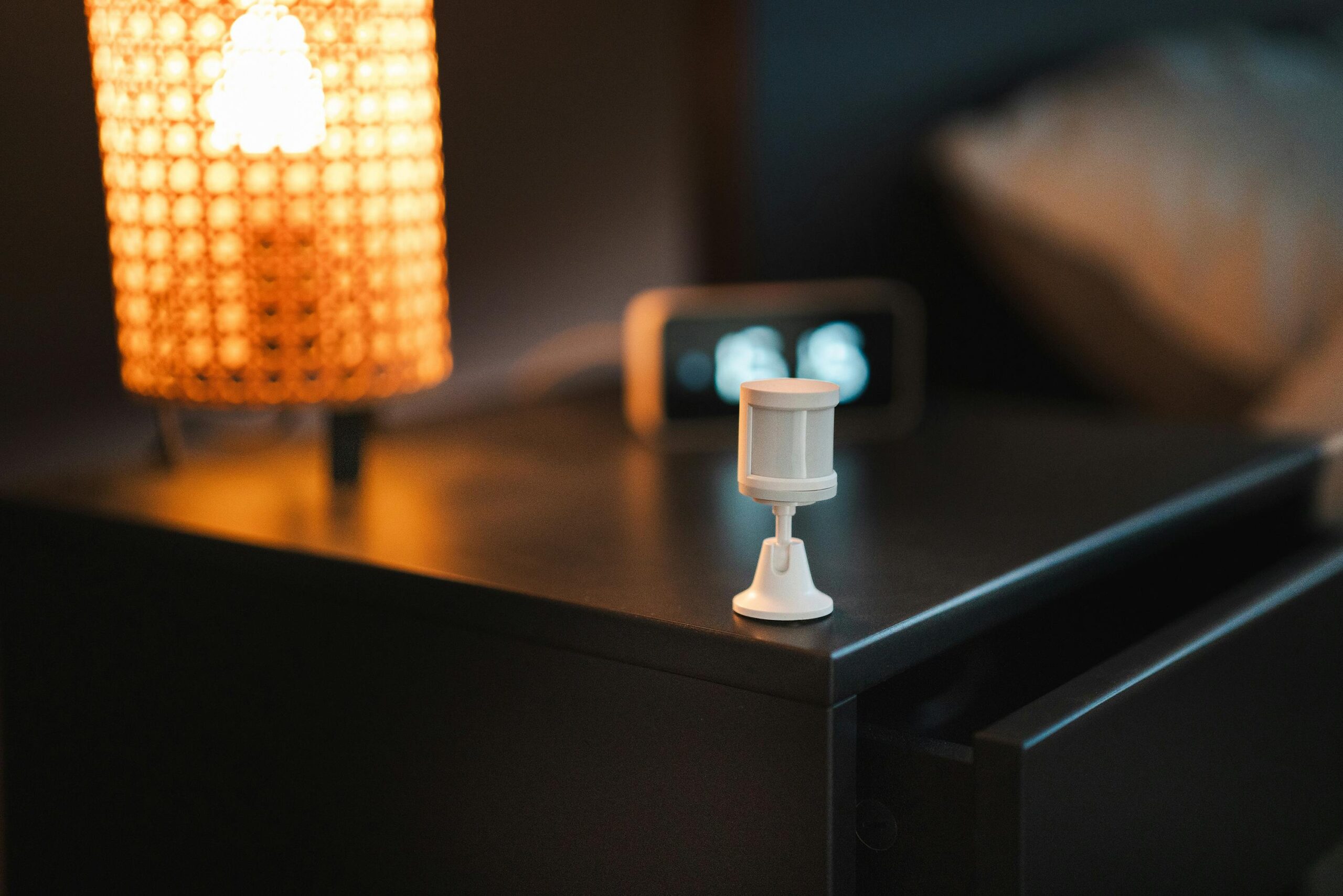
Contactless sleep monitors use radar or radio frequency technology to track breathing patterns, heart rate, and movement without any wearable devices. This non-invasive approach appeals to those who find wearables uncomfortable, while providing detailed sleep architecture analysis.
Integration with wearable devices creates comprehensive sleep profiles. By combining environmental data with physiological measurements, these systems identify patterns and correlations that would be impossible to detect otherwise. Machine learning algorithms continuously improve recommendations based on what actually works for individual users.
Predictive Sleep Optimization
The frontier of sleep tech involves predictive systems that anticipate your needs before you’re even aware of them. By analyzing patterns in your sleep data, daily activities, stress levels, and even weather forecasts, these systems make proactive environmental adjustments.
Some advanced platforms now integrate with calendar apps, adjusting sleep schedules and environmental conditions based on upcoming obligations. If you have an important meeting, the system might optimize conditions for particularly restorative sleep the night before, while allowing more relaxed parameters on free days.
🏡 Integrated Smart Bedroom Ecosystems
The true potential of sleep technology emerges when individual components work together as an integrated ecosystem. Smart home platforms increasingly offer sleep-specific modes that coordinate multiple devices simultaneously.
When you activate “sleep mode,” your bedroom transformation is comprehensive: lights dim and shift to warm tones, temperature begins adjusting to your preference, white noise activates, and even smart blinds close automatically. Some systems integrate with smart locks and security cameras, ensuring your home is secure as you sleep.
Voice-controlled sleep environments allow for hands-free adjustments without reaching for phones or switches—important since screen exposure can disrupt sleep preparation. Simple commands like “goodnight” can trigger entire sequences of environmental changes.
Cross-Device Communication and Learning
Modern sleep ecosystems excel at cross-device learning. Your smart mattress communicates with your thermostat, which coordinates with your air purifier and lighting system. This interconnection enables sophisticated responses to changing conditions throughout the night.
For example, if your sleep tracker detects restlessness, it might signal the climate control system to lower temperature slightly, while simultaneously adjusting white noise levels. These automatic micro-adjustments happen seamlessly, maintaining optimal conditions without disturbing your sleep.
🚀 Emerging Technologies and Future Directions
The sleep tech revolution continues accelerating, with emerging technologies promising even more dramatic improvements. Neurofeedback systems that use EEG monitoring to provide real-time brain activity data represent one frontier, potentially allowing direct optimization of brain wave patterns for improved sleep.
Electromagnetic field management is gaining attention, with some researchers suggesting that reducing EMF exposure in bedrooms may improve sleep quality. While evidence remains preliminary, EMF-blocking materials and systems designed to minimize exposure are entering the market.
Virtual reality and augmented reality applications for sleep preparation show intriguing potential. Guided meditation and relaxation experiences in VR might help users transition to sleep more effectively, though concerns about screen exposure before bed require careful consideration.
Personalized Sleep Interventions
The future points toward hyper-personalized sleep solutions based on genetic profiles, microbiome analysis, and comprehensive health data. Imagine systems that adjust environmental conditions based on your specific genetic variants affecting circadian rhythm regulation or temperature sensitivity.
Artificial intelligence will play an increasingly central role, moving beyond pattern recognition to truly predictive and prescriptive recommendations. These systems might identify subtle changes in sleep patterns that signal health issues days or weeks before symptoms become obvious, enabling early intervention.
🌟 Making Sleep Tech Work for You
While the array of available technologies can seem overwhelming, successfully improving your sleep doesn’t require adopting everything simultaneously. Starting with addressing your most significant sleep challenges yields the best results.
Begin with environmental basics: ensure your bedroom is dark, quiet, and cool. Simple, affordable solutions like blackout curtains, a quality mattress, and a basic white noise machine provide substantial benefits before investing in advanced technology.
When ready to incorporate smart technology, prioritize based on your specific sleep issues. If you struggle with temperature, invest in climate control first. If external noise is your primary challenge, focus on acoustic solutions. Targeted approaches deliver better results than scattered technology adoption.
Remember that technology serves sleep, not the other way around. Avoid becoming obsessed with sleep metrics, as anxiety about sleep data can paradoxically worsen sleep quality—a phenomenon researchers call “orthosomnia.” Use data to identify patterns and make informed adjustments, but don’t let perfect metrics become the goal.
💫 Embracing Better Rest Through Innovation
The sleep tech revolution represents more than clever gadgets and sophisticated sensors. It reflects a growing recognition that sleep is fundamental to health, productivity, and quality of life. By applying cutting-edge environmental innovations, we’re finally giving sleep the scientific attention it deserves.
As these technologies become more sophisticated and accessible, the benefits extend beyond individual sleep quality. Better-rested populations mean improved public health, reduced accidents, enhanced cognitive performance, and greater emotional well-being. The ripple effects of the sleep tech revolution will touch nearly every aspect of modern life.
The future of sleep is intelligent, personalized, and seamlessly integrated into our living environments. Whether through temperature regulation, lighting optimization, acoustic engineering, or comprehensive smart ecosystems, technology is unlocking our potential for truly restorative rest. The revolution isn’t coming—it’s already here, transforming bedrooms into precision-engineered recovery chambers designed around our unique biological needs.
Embracing these innovations doesn’t mean abandoning sleep basics or becoming dependent on technology. Rather, it means using available tools to create conditions that support our natural sleep mechanisms. In doing so, we’re not just sleeping better—we’re living better, with all the cognitive, physical, and emotional benefits that quality rest provides. The sleep tech revolution is ultimately about reclaiming something fundamental that modern life has too often compromised: the simple yet profound gift of a genuinely good night’s sleep. ✨