
The invisible molecules floating through our air profoundly influence our mood, productivity, and well-being in ways science is only beginning to fully understand.

Every breath we take carries more than oxygen—it delivers a complex cocktail of volatile compounds that interact with our olfactory system, triggering neurological responses that can calm anxiety, sharpen focus, or energize our bodies. The emerging field of environmental air chemistry reveals how deliberately curating these airborne molecules can transform homes, workplaces, and healing spaces into optimized environments tailored to specific psychological and physiological needs.
Understanding how to harness these aromatic compounds isn’t merely about making spaces smell pleasant; it’s about applying evidence-based principles to create atmospheres that support human thriving. From ancient practices to modern neuroscience, the strategic use of scent has evolved into a sophisticated tool backed by peer-reviewed research and clinical applications.
🧬 The Neuroscience Behind Scent and Cognition
Our olfactory bulb maintains direct neural pathways to the limbic system—the brain’s emotional command center—making smell uniquely powerful among our senses. Unlike visual or auditory stimuli that pass through multiple processing stages, aromatic molecules create nearly instantaneous responses in areas governing memory, emotion, and hormone regulation.
Research published in the Journal of Neuroscience demonstrates that specific volatile organic compounds can cross the blood-brain barrier, directly influencing neurotransmitter activity. Linalool, a compound found in lavender, has been shown to modulate GABA receptors similarly to anti-anxiety medications but without sedative side effects or dependency risks.
The rapidity of olfactory processing explains why certain scents can trigger vivid memories or emotional states within milliseconds. This phenomenon, known as the Proust effect, occurs because the hippocampus and amygdala—structures central to memory formation and emotional processing—are anatomically intertwined with olfactory processing regions.
Molecular Mechanisms of Aromatic Influence
When volatile compounds enter the nasal cavity, they bind to approximately 400 different olfactory receptor types. This binding triggers electrical signals that travel through the cribriform plate directly into brain tissue, bypassing the thalamic relay station that filters other sensory information.
Recent functional MRI studies reveal that different aromatic profiles activate distinct neural networks. Citrus-based compounds like limonene increase activity in prefrontal cortex regions associated with alertness and decision-making, while woody scents containing cedrol enhance parasympathetic nervous system activity, promoting relaxation.
💼 Evidence-Based Applications for Workplace Productivity
Corporate environments represent one of the most promising frontiers for applied air chemistry. Multiple controlled studies have documented measurable improvements in cognitive performance, error reduction, and employee satisfaction when specific aromatic compounds are introduced to office environments.
A landmark study conducted at Northumbria University found that rosemary aroma improved prospective memory—the ability to remember to complete tasks—by 60-75% compared to control conditions. Participants in rosemary-scented rooms demonstrated significantly enhanced recall of events and tasks scheduled for completion.
Peppermint has emerged as another evidence-backed option for workspaces requiring sustained attention. Research published in the International Journal of Neuroscience showed that peppermint aroma increased typing accuracy by 28% and reduced mental fatigue during prolonged computer work.
Creating Optimized Work Environments
Implementing workplace air chemistry requires careful consideration of concentration, delivery methods, and individual variations. Effective strategies include:
- Ultrasonic diffusion systems that disperse microscopic particles without heat degradation of volatile compounds
- Timed release protocols that align aromatic exposure with circadian rhythms and task demands
- Zone-specific applications tailored to the cognitive requirements of different workspace areas
- Employee preference surveys to identify potential sensitivities and optimize acceptance
The optimal concentration typically ranges between 0.01% to 0.1% volatile compound saturation—levels sufficient to engage olfactory receptors without causing adaptation or sensory fatigue. Intermittent exposure patterns prove more effective than continuous diffusion, preventing olfactory habituation.
🏡 Transforming Residential Spaces Through Strategic Aromatics
Home environments offer unique opportunities for personalized air chemistry applications that support daily rhythms, emotional well-being, and sleep quality. Unlike public spaces requiring broad appeal, residential settings allow for individually calibrated aromatic profiles optimized for specific household needs.
Bedroom air chemistry particularly benefits from evidence-based interventions. A study in the Journal of Biological Rhythm Research demonstrated that lavender diffusion during sleep onset periods increased deep sleep stages by 20% and improved next-day alertness scores. The mechanism involves lavender’s documented ability to reduce sympathetic nervous system activity while enhancing parasympathetic tone.
Room-by-Room Strategic Implementation
Different residential zones benefit from distinct aromatic strategies aligned with their functional purposes:
| Space | Primary Goal | Recommended Compounds | Evidence Base |
|---|---|---|---|
| Kitchen | Appetite regulation, alertness | Peppermint, citrus oils | Reduced caloric intake (23% reduction), enhanced focus |
| Bedroom | Sleep quality, stress reduction | Lavender, chamomile, sandalwood | Increased slow-wave sleep, reduced cortisol |
| Home office | Productivity, memory | Rosemary, basil, eucalyptus | Enhanced cognitive performance, improved recall |
| Living areas | Social connection, mood elevation | Vanilla, cinnamon, orange | Increased prosocial behavior, positive affect |
🧘 Therapeutic Applications in Stress Management
Clinical settings increasingly incorporate targeted air chemistry as adjunctive treatment for anxiety disorders, PTSD, and stress-related conditions. The non-invasive nature and minimal side effect profile make aromatic interventions particularly attractive for populations sensitive to pharmaceutical approaches.
A meta-analysis examining 16 controlled trials found that lavender aromatherapy produced anxiety reduction comparable to lorazepam in pre-surgical patients, without the cognitive impairment or dependency concerns associated with benzodiazepines. The effect size remained consistent across diverse populations and anxiety-inducing contexts.
Bergamot essential oil has demonstrated particular promise for acute stress response modulation. Research in Phytotherapy Research journal documented that 15-minute bergamot exposure significantly reduced salivary cortisol levels and subjective stress ratings in high-stress occupational groups.
Building Personal Stress-Response Toolkits
Effective therapeutic application requires understanding individual response patterns and creating personalized aromatic protocols. Key considerations include:
- Baseline assessment of current stress levels and triggering contexts
- Compound selection based on personal preference and physiological response
- Delivery timing aligned with predictable stress peaks or anxiety episodes
- Consistent application to build conditioned relaxation responses over time
The concept of aromatic anchoring—pairing specific scents with relaxation practices like meditation or deep breathing—creates powerful conditioned responses. After several pairings, the scent alone can trigger the relaxation state even without the accompanying practice.
🌿 Natural vs. Synthetic: Navigating Compound Sources
The debate between natural essential oils and synthetic aromatic compounds involves both scientific and practical considerations. While marketing often portrays natural sources as inherently superior, the evidence presents a more nuanced picture.
Chemically identical compounds produce identical olfactory and neurological responses regardless of source. Synthetic linalool interacts with GABA receptors identically to plant-derived linalool because receptor binding depends solely on molecular structure, not botanical origin.
However, natural essential oils contain complex mixtures of dozens or hundreds of compounds that may produce synergistic effects absent in single-molecule synthetic alternatives. A 2018 study in Frontiers in Pharmacology found that whole lavender oil produced stronger anxiolytic effects than isolated linalool at equivalent concentrations, suggesting beneficial interactions among multiple constituents.
Quality Considerations and Safety Parameters
Regardless of source, quality markers ensure both efficacy and safety:
- GC/MS testing (Gas Chromatography/Mass Spectrometry) verifying compound composition
- Absence of adulterants such as synthetic extenders or carrier oil contamination
- Proper storage conditions preventing oxidation and degradation
- Clear labeling including botanical names, extraction methods, and dilution ratios
Safety considerations are paramount. Even natural compounds can trigger allergic responses, respiratory irritation, or hormone disruption at excessive concentrations. Pregnant women, infants, and individuals with respiratory conditions require modified protocols with lower concentrations and careful compound selection.
📱 Technology Integration for Precision Air Chemistry
Modern technology enables unprecedented control over environmental air composition through smart diffusion systems, air quality monitors, and scheduling applications. These tools transform aromatherapy from an imprecise art into a calibrated intervention with measurable outcomes.
Smart diffusers with programmable schedules allow users to align aromatic exposure with circadian rhythms—stimulating compounds during morning hours, neutral profiles midday, and calming scents approaching sleep periods. Some advanced systems integrate with sleep trackers and activity monitors, automatically adjusting aromatic profiles based on physiological data.
Air quality sensors that measure volatile organic compound levels ensure concentrations remain within therapeutic ranges without oversaturation. These devices detect when aromatic molecules reach effective thresholds and prevent excessive accumulation that could trigger adaptation or irritation.
🔬 Emerging Research Frontiers and Future Directions
The field of environmental air chemistry continues evolving rapidly as new research reveals increasingly sophisticated applications. Current investigations explore personalized aromatic profiles based on genetic variations in olfactory receptors, which may explain why individuals respond differently to identical compounds.
Epigenetic research suggests that repeated aromatic exposures may produce lasting changes in gene expression patterns related to stress response and emotional regulation. If confirmed, this finding would position strategic air chemistry as a tool for long-term neurological optimization rather than merely acute symptom management.
Clinical trials are examining aromatic interventions for cognitive decline prevention in aging populations. Preliminary data from the University of California suggests that overnight exposure to rotating aromatic compounds improved memory performance by 226% in adults aged 60-85 compared to control groups.
The Intersection of Air Chemistry and Chronobiology
Perhaps the most promising frontier involves aligning aromatic interventions with circadian biology. Research demonstrates that olfactory sensitivity follows predictable daily rhythms, with peak responsiveness occurring in early afternoon and reduced sensitivity during late evening.
Strategic timing of specific compounds may enhance circadian entrainment, supporting healthy sleep-wake cycles disrupted by modern lifestyle factors like artificial light exposure and irregular schedules. Early studies suggest that morning citrus exposure combined with evening lavender protocols strengthen circadian amplitude and reduce adaptation time after travel across time zones.
🌍 Sustainable Practices in Aromatic Compound Sourcing
As demand for essential oils and aromatic compounds grows, sustainability concerns become increasingly relevant. Some botanicals face overharvesting pressures, habitat destruction, and unsustainable extraction practices that threaten both environmental health and long-term supply availability.
Sandalwood, rosewood, and agarwood exemplify species where demand has driven problematic harvesting practices. Consumers committed to evidence-based aromatherapy should consider ecological impacts alongside efficacy, seeking suppliers with transparent sourcing practices and third-party sustainability certifications.
Biotechnology offers promising alternatives through microbial synthesis of aromatic compounds. Fermentation processes using engineered yeast can produce chemically identical molecules without agricultural land use, pesticide application, or habitat disruption. Companies like Amyris and Ginkgo Bioworks are scaling these technologies, potentially revolutionizing sustainable access to therapeutic compounds.
💡 Practical Implementation: From Theory to Daily Practice
Translating research findings into effective daily practices requires systematic approaches that account for individual variations, environmental factors, and realistic sustainability. Success depends less on accumulating aromatic compounds than on developing consistent, evidence-aligned protocols tailored to specific goals.
Begin with clear intention-setting: identify specific outcomes you seek—improved focus, better sleep, anxiety reduction, or enhanced creativity. This clarity guides compound selection and application timing based on relevant research rather than marketing claims or anecdotal recommendations.
Start with minimal interventions, introducing single compounds at conservative concentrations to assess individual response patterns. Many people discover surprising sensitivities or preferences that differ from population averages reported in studies. This personalization phase typically requires 2-4 weeks of careful observation.
Document subjective experiences alongside objective measures when possible—sleep tracking data, productivity metrics, mood scales, or physiological markers like heart rate variability. This data-driven approach reveals which interventions produce meaningful benefits versus placebo effects or temporary novelty responses.
✨ Maximizing Benefits While Minimizing Risks
The power of air chemistry to influence human physiology demands respect for potential adverse effects alongside enthusiasm for benefits. Responsible application balances optimization goals with safety considerations, particularly for vulnerable populations.
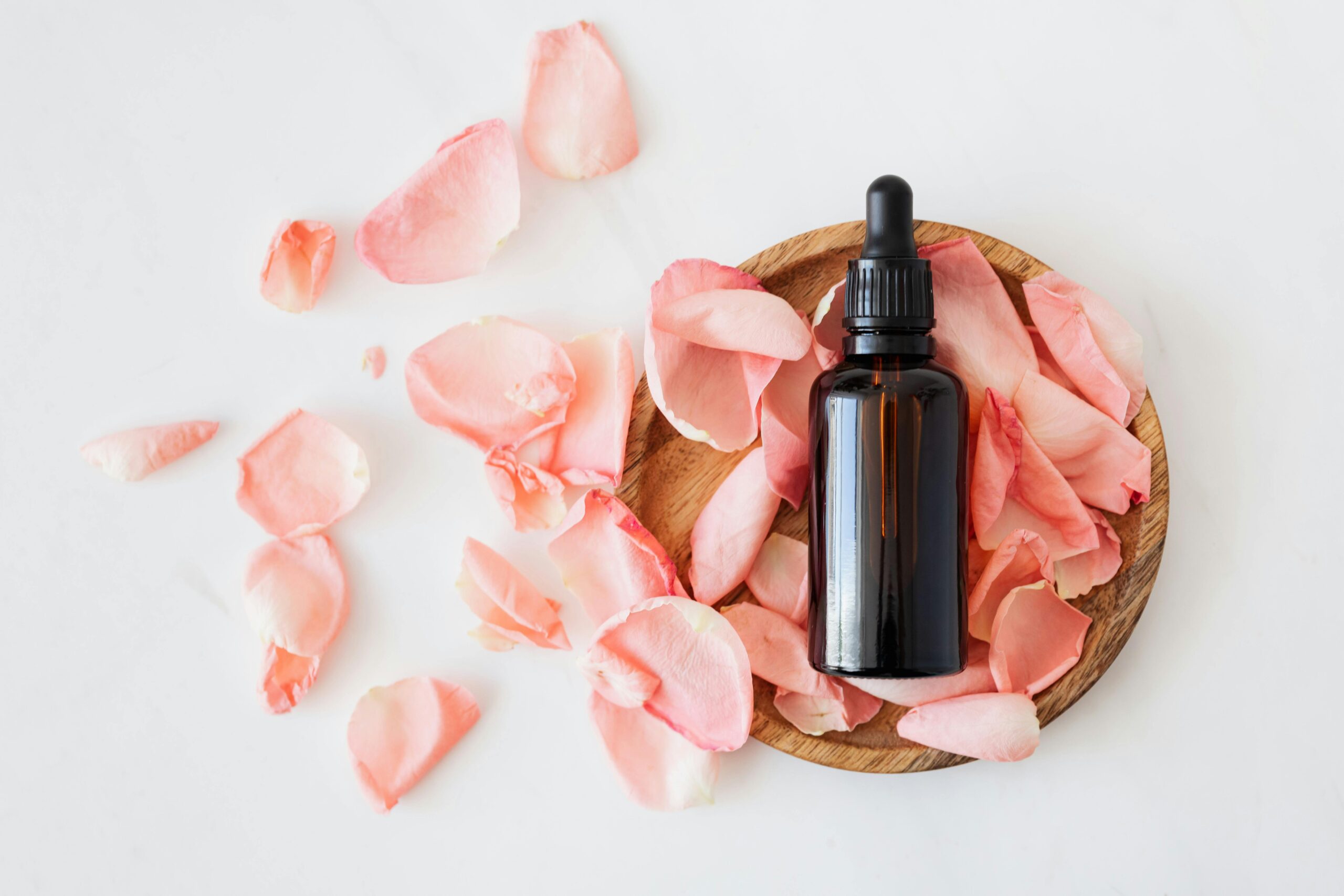
Never apply undiluted essential oils directly to skin or mucous membranes. Even therapeutic-grade compounds can cause chemical burns, sensitization, or allergic reactions at full strength. Appropriate dilution ratios typically range from 1-5% for topical applications, with even lower concentrations sufficient for aromatic diffusion.
Ventilation remains crucial—sealed environments with continuous aromatic exposure risk volatile organic compound accumulation beyond therapeutic ranges. Regular air exchange prevents buildup while maintaining effective concentrations, typically achievable through 15-minute diffusion periods alternating with 45-minute rest intervals.
Recognize that more is not better. Higher concentrations do not produce proportionally greater benefits and often trigger olfactory fatigue, where receptors become desensitized and require increasing amounts to achieve the same effect. Minimal effective dosing preserves sensitivity and prevents adaptation.
The convergence of ancient wisdom and modern neuroscience reveals air chemistry as a powerful yet underutilized tool for optimizing human environments. From workplace productivity enhancement to therapeutic stress management, evidence-based aromatic interventions offer accessible, low-risk strategies for supporting wellbeing across multiple domains. As research continues unveiling the mechanisms underlying scent’s profound influence on cognition and emotion, opportunities expand for increasingly sophisticated applications tailored to individual needs and goals. By approaching air chemistry with scientific rigor, safety consciousness, and sustainable practices, we unlock the remarkable potential of the invisible molecules surrounding us every moment.