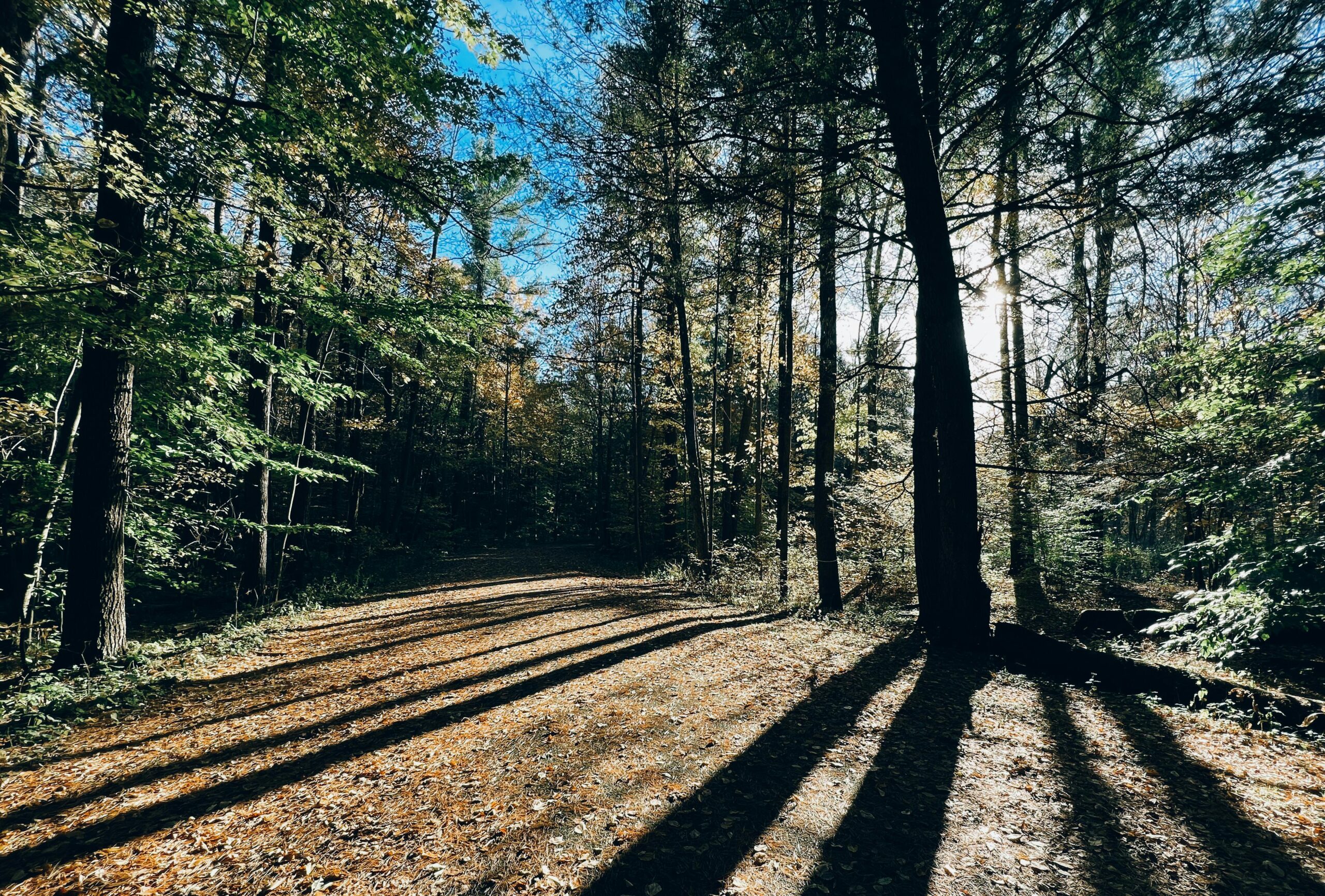
Your body operates on an invisible timetable that shifts with the seasons, influencing everything from sleep quality to mood and productivity throughout the year.

The intricate dance between seasonal changes and our internal biological clock represents one of nature’s most fascinating phenomena. As daylight hours expand and contract throughout the year, our circadian rhythms—those internal 24-hour cycles that regulate nearly every physiological process—undergo significant adaptations. Understanding these seasonal shifts isn’t just academically interesting; it’s essential for optimizing your health, energy levels, and overall well-being in our modern world.
For millennia, humans lived in close harmony with natural light cycles, but contemporary life with its artificial lighting, climate-controlled environments, and screen-dominated routines has disconnected many of us from these fundamental biological rhythms. This disconnection carries real consequences, from seasonal affective disorder to disrupted sleep patterns and decreased immune function.
🌍 The Biological Foundation of Seasonal Circadian Changes
Your circadian rhythm is orchestrated primarily by the suprachiasmatic nucleus (SCN), a tiny region in the hypothalamus containing approximately 20,000 neurons. This master clock responds primarily to light signals transmitted through specialized photoreceptor cells in your retina, particularly those sensitive to blue wavelengths.
When daylight enters your eyes, these photoreceptors send signals to your SCN, which then coordinates timing signals throughout your body. This system regulates the production of melatonin—your primary sleep hormone—along with cortisol, body temperature, blood pressure, and countless other physiological processes.
During summer months, extended daylight exposure naturally delays melatonin production, often shifting our biological clock later. Conversely, winter’s limited light exposure can advance our internal timing, making us feel sleepy earlier. This phenomenon is particularly pronounced at higher latitudes where seasonal daylight variation is most extreme.
The Photoperiod Effect on Human Physiology
The photoperiod—the duration of daylight in a 24-hour period—serves as nature’s primary timekeeper for seasonal biological changes. Research has demonstrated that even in controlled laboratory environments, humans maintain sensitivity to photoperiod changes, suggesting deep evolutionary programming.
Studies examining populations at different latitudes reveal significant variations in sleep duration, with people in northern regions sleeping up to one hour longer during winter months compared to summer. This isn’t merely behavioral preference; it reflects genuine biological adaptation to available light.
☀️ Summer’s Influence: Extended Daylight and Its Consequences
Summer brings longer days that profoundly impact your circadian system. The extended exposure to natural light, particularly morning sunlight, tends to advance your circadian phase, potentially making you feel more alert earlier in the day.
However, late sunset times can delay melatonin production, making it challenging to fall asleep at your usual bedtime. This mismatch between social schedules and biological readiness often results in what researchers call “social jet lag”—a chronic misalignment between your internal clock and external demands.
Behavioral Adaptations for Summer Wellness
Maximizing summer’s circadian benefits requires strategic light management:
- Prioritize bright morning light exposure within the first hour of waking to anchor your circadian rhythm
- Use blackout curtains or eye masks to create darkness for sleep, despite early sunrise times
- Dim artificial lights in the evening to facilitate natural melatonin production
- Consider adjusting sleep schedules slightly later if your lifestyle permits, aligning with natural seasonal shifts
- Maintain consistent wake times even on weekends to preserve circadian stability
Summer also offers unique opportunities for outdoor activities that provide both light exposure and physical exercise—two powerful circadian synchronizers. Morning or early evening outdoor workouts can help optimize your body’s natural rhythms while avoiding peak heat exposure.
❄️ Winter’s Challenge: Navigating Darkness and Disruption
Winter presents the opposite challenge: insufficient light exposure. Shorter days mean many people commute to work in darkness and return home after sunset, dramatically reducing their daily light dose. This light deprivation can lead to circadian rhythm disorders and seasonal mood disturbances.
The reduced daylight exposure affects melatonin regulation, potentially causing it to be produced at inappropriate times or in abnormal amounts. This can manifest as excessive daytime sleepiness, difficulty waking in the morning, and paradoxically, sometimes insomnia at night.
Seasonal Affective Disorder and Circadian Disruption
Seasonal Affective Disorder (SAD) affects approximately 5% of adults in the United States, with symptoms typically emerging in late autumn and resolving in spring. While SAD involves complex neurochemical changes, circadian rhythm disruption plays a central role in its development.
Research indicates that people with SAD often experience a phase delay in their circadian rhythms during winter—their internal clocks run later than the external environment demands. This misalignment contributes to morning grogginess, reduced energy, and depressive symptoms.
Light therapy has emerged as a highly effective treatment, working specifically through circadian mechanisms. Exposure to bright light (typically 10,000 lux) for 20-30 minutes each morning can effectively reset the circadian clock, alleviating SAD symptoms in approximately 60-70% of cases.
🔬 The Science Behind Light Therapy and Circadian Regulation
Light therapy devices work by mimicking outdoor light intensities, providing the photon exposure your SCN requires for proper synchronization. The timing of light exposure proves crucial—morning light advances your circadian phase (making you feel alert earlier), while evening light delays it (shifting your rhythm later).
For maximum effectiveness, light therapy should be administered within the first two hours of waking. The light should enter your eyes at an angle, but you shouldn’t stare directly at the source. Many people read, eat breakfast, or work while receiving light therapy.
Choosing the Right Light Intensity and Duration
Light therapy effectiveness depends on several factors:
- Intensity: 10,000 lux is standard for therapeutic effects, requiring approximately 20-30 minutes daily
- Timing: Early morning exposure provides the strongest circadian-shifting effects
- Consistency: Daily use produces better results than sporadic application
- Distance: Most devices should be positioned 16-24 inches from your face
- Spectrum: Cool white or blue-enriched light provides stronger circadian signals than warm tones
📱 Technology’s Role in Tracking and Managing Circadian Health
Modern technology offers unprecedented tools for monitoring and optimizing your circadian rhythms. Wearable devices now track sleep-wake patterns, physical activity, heart rate variability, and even light exposure—all data points that reflect circadian function.
Sleep tracking applications can reveal patterns in your rest-activity cycle, helping identify seasonal shifts or disruptions. Many apps now incorporate chronotype assessments—determining whether you’re naturally a morning lark or night owl—and provide personalized recommendations for optimizing your schedule.
Smart lighting systems represent another technological advance, allowing you to program light intensity and color temperature throughout the day. These systems can simulate natural sunrise patterns in the morning to ease awakening and gradually dim toward evening to support melatonin production.
🍽️ Nutritional Timing and Seasonal Circadian Rhythms
Your eating patterns powerfully influence circadian rhythms through what scientists call “peripheral clocks”—circadian timing systems in organs like your liver, pancreas, and digestive tract. These peripheral clocks coordinate metabolic processes with your central brain clock, but they can be shifted by meal timing.
Seasonal changes in daylight naturally influence eating schedules in many cultures. Mediterranean and Nordic traditions feature lighter evening meals during summer and heartier dinners in winter—patterns that may reflect intuitive alignment with circadian physiology.
Time-Restricted Eating and Circadian Alignment
Research on time-restricted eating (TRE) reveals that confining food consumption to consistent daytime hours supports circadian function. Eating within an 8-12 hour window aligned with daylight hours can enhance metabolic health, improve sleep quality, and potentially ease seasonal transitions.
For optimal circadian alignment, consider these nutritional timing strategies:
- Front-load calories earlier in the day when insulin sensitivity peaks
- Avoid large meals within three hours of bedtime to prevent sleep disruption
- Maintain consistent meal timing, even on weekends, to reinforce circadian regularity
- Consider earlier dinner times during winter months when darkness arrives sooner
- Use morning coffee strategically—60-90 minutes after waking rather than immediately upon rising
🏃 Exercise Timing Across the Seasons
Physical activity serves as a potent circadian zeitgeber (time-giver), with effects that vary based on timing. Morning exercise tends to advance your circadian phase, while late afternoon or early evening workouts can delay it slightly.
Seasonal considerations should inform your exercise schedule. Summer’s extended daylight allows for evening outdoor activities that provide both exercise and light exposure benefits. Winter may necessitate morning gym sessions with bright artificial lighting to compensate for limited natural light.
Research indicates that body temperature, muscle strength, and cardiovascular efficiency all follow circadian rhythms, typically peaking in late afternoon. However, for circadian regulation purposes, morning exercise—particularly outdoors—provides superior benefits by reinforcing your natural wake-active pattern.
🧠 Cognitive Performance and Seasonal Circadian Variations
Your mental capabilities fluctuate predictably throughout the day, following circadian patterns that can shift seasonally. Attention, working memory, reaction time, and executive function all demonstrate time-of-day variations linked to your internal clock.
For most chronotypes, cognitive performance peaks in mid-to-late morning, with a post-lunch dip, and a secondary (though lower) peak in early evening. Winter’s circadian disruptions can flatten or shift these peaks, reducing overall cognitive efficiency.
Optimizing Mental Performance Through Seasonal Awareness
Strategic scheduling of cognitively demanding tasks around your circadian peaks can dramatically enhance productivity. During winter months when circadian disruption is common, this becomes even more critical:
- Schedule complex analytical work during your biological peak performance windows
- Use afternoon dips for routine tasks, brief physical activity, or social interactions
- Avoid important decisions during circadian low points, particularly in winter
- Take strategic breaks outdoors for light exposure to combat midday drowsiness
- Consider chronotype when arranging team meetings or collaborative work
🌡️ Temperature Regulation and Seasonal Circadian Adjustments
Core body temperature follows a robust circadian rhythm, typically reaching its lowest point about two hours before natural wake time and peaking in early evening. This temperature rhythm closely coordinates with sleep-wake cycles—you feel sleepy as temperature drops and alert as it rises.
Seasonal temperature changes interact with these internal rhythms. Summer heat can elevate nighttime body temperature, making it harder to initiate and maintain sleep. Winter cold, while potentially beneficial for sleep if bedroom temperature is optimized, can make morning awakening more challenging.
Thermoregulatory Strategies for Circadian Optimization
Managing your thermal environment supports circadian function across seasons:
- Maintain bedroom temperatures between 60-67°F (15-19°C) for optimal sleep regardless of season
- Use cooling strategies in summer: breathable bedding, fans, or cooling mattress pads
- Take a warm bath 90 minutes before bed—the subsequent cooling facilitates sleep onset
- Expose yourself to cooler temperatures upon waking to boost alertness
- Layer clothing in winter to maintain comfortable core temperature without overheating sleeping environments
👨👩👧👦 Age-Related Differences in Seasonal Circadian Sensitivity
Circadian rhythms change across the lifespan, with corresponding variations in seasonal sensitivity. Infants and young children typically show advanced circadian phases (early to bed, early to rise), while adolescents experience significant delays, and older adults often return to earlier timing.
Children may be particularly vulnerable to seasonal light changes, as their developing circadian systems are highly plastic. Ensuring adequate bright light exposure during school months and managing screen time becomes crucial for maintaining healthy rhythms.
Older adults often experience weakened circadian amplitude—less robust rhythms with smaller differences between peak and trough. This can make them more susceptible to seasonal disruptions and may explain higher rates of winter sleep disturbances in elderly populations.
🌐 Latitude, Geography, and Personal Circadian Strategies
Your geographic location fundamentally determines the magnitude of seasonal circadian challenges you’ll face. Living near the equator means relatively stable year-round photoperiods, while high-latitude residents experience dramatic seasonal swings.
Populations in Scandinavian countries have developed cultural adaptations to extreme photoperiod variations—embracing outdoor activities during limited winter daylight hours, using extensive artificial lighting, and accepting seasonal shifts in sleep duration rather than fighting them.
Practical Strategies Based on Your Location
Tailor your circadian management to your specific geographic context:
| Latitude Range | Seasonal Challenge | Key Strategies |
|---|---|---|
| Equatorial (0-23°) | Minimal seasonal variation | Focus on consistent daily light exposure and sleep timing |
| Subtropical (23-35°) | Moderate seasonal shifts | Adjust outdoor activity timing seasonally; use light therapy selectively |
| Temperate (35-50°) | Significant seasonal changes | Prioritize winter light management; consider phase adjustments |
| Subpolar (50-66°) | Extreme photoperiod variations | Essential light therapy; accept natural sleep duration changes |
💡 Creating Your Personalized Seasonal Circadian Action Plan
Successfully navigating seasonal circadian shifts requires a personalized, proactive approach rather than reactive symptom management. Begin by assessing your individual circadian tendencies, geographic context, and lifestyle constraints.
Track your energy levels, sleep quality, and mood across several weeks during different seasons. This baseline data reveals your unique patterns and vulnerabilities. Many people discover they’re more seasonally sensitive than they realized once they begin systematic observation.
Develop season-specific routines that honor your biological needs while accommodating practical demands. Your winter protocol might emphasize morning light therapy, earlier evening wind-down routines, and acceptance of slightly longer sleep duration. Summer strategies could focus on blackout curtains, strategic evening light reduction, and outdoor morning activities.
Essential Elements of Effective Circadian Hygiene
Regardless of season, these fundamental practices support healthy circadian function:
- Consistent wake time (within 30 minutes) seven days per week
- Bright light exposure within one hour of waking, ideally outdoors
- Physical activity, preferably timed to your circadian goals
- Strategic caffeine use—morning to early afternoon only
- Gradual evening light dimming beginning 2-3 hours before bed
- Cool, dark sleeping environment maintained year-round
- Limited screen exposure in the final hour before sleep, or using blue-light filters
- Regular meal timing aligned with daylight hours

🔄 Embracing Natural Rhythms in an Artificial World
The disconnection between modern lifestyles and natural circadian rhythms represents a fundamental health challenge of our era. We’ve engineered environments that allow round-the-clock activity, but our biology hasn’t evolved to match this 24/7 world.
Recognizing seasonal circadian shifts as natural rather than problematic reframes how we approach them. Perhaps winter’s tendency toward longer sleep isn’t a disorder to correct but a biological wisdom to honor within practical constraints. Summer’s extended wakefulness might be celebrated rather than fought against.
The goal isn’t to eliminate seasonal variations in your circadian system—that’s neither possible nor desirable. Instead, work with these natural rhythms, making strategic adjustments that align your biology with your unavoidable social and occupational obligations while minimizing the health costs of misalignment.
By understanding the intricate connections between seasonal light patterns and your internal biological clock, you gain powerful tools for optimizing energy, mood, sleep, and overall health throughout the year. This knowledge transforms seasonal changes from mysterious forces that happen to you into predictable patterns you can anticipate and adapt to with confidence and precision.