Your body’s internal thermostat does far more than regulate comfort—it orchestrates sleep, energy, metabolism, and cognitive performance through intricate circadian rhythms that modern life constantly disrupts.

🌡️ The Hidden Orchestra: How Core Body Temperature Conducts Your Biology
Deep within your body, a remarkable physiological pattern unfolds every twenty-four hours. Your core body temperature—the temperature of your internal organs and tissues—fluctuates by approximately 0.5 to 1 degree Celsius throughout the day. This seemingly minor variation serves as one of the most powerful circadian signals your body produces, influencing everything from when you feel alert to how efficiently you burn calories.
Unlike the temperature you measure with a forehead thermometer during illness, core body temperature represents the thermal state of your vital organs. It typically reaches its lowest point around 4-5 AM and peaks in the late afternoon or early evening, usually between 4-7 PM. This rhythmic pattern has evolved over millions of years and remains remarkably consistent across human populations, regardless of geographic location or lifestyle.
The master clock in your brain’s suprachiasmatic nucleus (SCN) orchestrates this temperature rhythm, but the relationship works both ways. Temperature changes also feed information back to your circadian system, creating a powerful feedback loop that can either reinforce healthy rhythms or contribute to circadian disruption when misaligned.
The Science Behind Temperature-Driven Circadian Regulation
Understanding how core body temperature influences your circadian biology requires examining the molecular mechanisms at work. Your body’s peripheral clocks—found in nearly every organ and tissue—respond sensitively to temperature fluctuations. These peripheral oscillators contain clock genes that regulate their expression based on environmental cues, with temperature being one of the most potent zeitgebers (time-givers).
Research has demonstrated that temperature-sensitive elements within clock gene promoters respond to changes as small as 1-2 degrees Celsius. This thermal sensitivity allows your body to maintain temporal organization across all physiological systems. When core body temperature rises during the day, it promotes wakefulness, metabolic activity, and physical performance. As temperature drops in the evening, it signals the approach of sleep and initiates restorative processes.
The Temperature-Sleep Connection
Perhaps nowhere is the relationship between core body temperature and circadian function more evident than in sleep regulation. The natural decline in core body temperature that begins in the early evening serves as a critical biological signal for sleep initiation. This thermoregulatory process involves vasodilation—the widening of blood vessels in your extremities—which facilitates heat dissipation from your core to your skin and the surrounding environment.
This explains why many people naturally find their hands and feet become warmer before falling asleep. The body is actively redistributing heat away from the core, lowering internal temperature to create optimal conditions for sleep. Studies show that individuals with chronic insomnia often exhibit blunted or delayed temperature drops in the evening, suggesting disrupted thermoregulatory mechanisms contribute to their sleep difficulties.
🔥 Strategic Temperature Manipulation for Performance Enhancement
Once you understand the relationship between core body temperature and circadian function, you can leverage this knowledge to optimize various aspects of health and performance. Athletes and high performers have begun implementing temperature-based strategies to enhance training outcomes, accelerate recovery, and improve competitive results.
Morning Temperature Elevation for Alertness
Deliberately raising your core body temperature in the morning can accelerate the natural awakening process and enhance daytime alertness. Several evidence-based approaches accomplish this:
- Exercise exposure: Morning physical activity, particularly cardiovascular exercise, rapidly increases core temperature and reinforces the circadian signal that day has begun. Even 10-15 minutes of brisk walking or light jogging can produce measurable effects.
- Hot showers or baths: A 10-15 minute hot shower (38-40°C/100-104°F) elevates core temperature and promotes wakefulness. The subsequent cooling period also provides benefits for circadian entrainment.
- Cold exposure followed by rewarming: Brief cold exposure (30-90 seconds) triggers thermogenic responses that raise core temperature as your body works to restore thermal homeostasis.
- Breakfast consumption: Eating generates heat through the thermic effect of food, with protein having the highest thermogenic impact. A protein-rich breakfast supports the morning temperature rise.
Timing Exercise Around Your Temperature Curve
Athletic performance correlates strongly with core body temperature, with most individuals demonstrating peak physical capacity when their core temperature reaches daily maximum—typically late afternoon or early evening. Research consistently shows that power output, reaction time, and exercise capacity improve by 5-20% during this window compared to early morning performance.
However, this doesn’t mean morning exercise lacks value. Training at suboptimal circadian phases can produce unique adaptations and may better fit individual schedules. The key is consistency—maintaining regular exercise timing allows your body to anticipate and prepare for physical demands through anticipatory temperature changes.
Evening Temperature Management for Superior Sleep Quality
While raising temperature supports morning alertness, facilitating evening temperature decline may represent the most impactful circadian intervention for most people. Modern environments and behaviors often interfere with the natural temperature drop needed for optimal sleep, creating a widespread form of circadian disruption.
Environmental Temperature Optimization
Your bedroom temperature significantly influences how effectively your core body temperature can decline. Research suggests optimal sleep environments range from 15-19°C (60-67°F), considerably cooler than most people maintain. This cool environment facilitates heat dissipation from your body, supporting the natural temperature drop.
Beyond ambient temperature, consider these environmental factors:
- Bedding materials: Choose breathable fabrics like cotton or bamboo that don’t trap heat. Avoid synthetic materials that prevent thermal regulation.
- Mattress thermal properties: Memory foam mattresses may retain body heat, while latex or hybrid options typically allow better air circulation.
- Clothing choices: Sleep naked or in minimal, loose-fitting clothing to maximize heat dissipation. Heavy pajamas can impede temperature decline.
The Strategic Bath or Shower Protocol
One of the most powerful sleep-promoting interventions involves strategic warm bathing 60-90 minutes before bed. This seemingly paradoxical approach—heating the body before sleep—works through a rebound effect. The warm bath (40-42°C/104-108°F for 10-20 minutes) triggers compensatory cooling mechanisms that produce a more pronounced temperature drop after exiting the bath.
Meta-analysis of sleep research shows this practice can reduce sleep onset latency by approximately 10 minutes and improve subjective sleep quality. The timing is crucial—bathing too close to bedtime may leave core temperature elevated, while bathing too early misses the optimal window for sleep initiation.
📱 Technology and Temperature Tracking
Recent advances in wearable technology have made continuous core body temperature monitoring accessible to consumers. Devices using various measurement approaches—from wrist-based optical sensors to subcutaneous temperature patches—now provide detailed temperature data throughout the day and night.
These tools offer several applications for circadian optimization:
- Identifying your individual temperature rhythm patterns and how they correlate with sleep quality and daytime performance
- Detecting circadian misalignment before it manifests as noticeable symptoms
- Tracking how interventions (exercise timing, meal timing, light exposure) influence your temperature curve
- Monitoring temperature trends that may indicate overtraining, illness onset, or hormonal changes
For women, temperature tracking provides additional value through menstrual cycle monitoring, as core body temperature increases approximately 0.5°C during the luteal phase following ovulation. This natural variation should be considered when interpreting temperature data for circadian purposes.
Nutritional Strategies for Temperature Regulation
The relationship between nutrition and body temperature extends beyond the simple thermogenic effect of eating. Specific dietary approaches can modulate circadian temperature rhythms and support optimal timing.
Meal Timing and Temperature
Time-restricted eating—consuming all daily calories within a consistent 8-12 hour window—appears to strengthen circadian rhythms partly through its effects on body temperature. Eating primarily during the day, when core temperature naturally rises, reinforces the circadian signal of activity and metabolism. Conversely, late-night eating occurs during the natural temperature decline, creating conflicting signals that may contribute to metabolic dysfunction.
Studies demonstrate that identical meals produce different thermic effects depending on when they’re consumed, with morning meals generating more heat than evening meals. This differential response suggests circadian optimization of metabolic processes.
Dietary Composition Considerations
Macronutrient composition influences thermogenesis, with protein requiring the most energy to digest and metabolize (20-30% of calories consumed), followed by carbohydrates (5-10%), and fats (0-3%). Strategically increasing protein intake, particularly at breakfast, can support the morning temperature rise that promotes alertness.
Certain foods and compounds demonstrate thermogenic properties that may support temperature optimization:
- Capsaicin: The compound responsible for chili pepper heat increases metabolic rate and body temperature through activation of TRPV1 receptors.
- Caffeine: Beyond its wake-promoting effects, caffeine increases metabolic rate and body temperature by 3-11%, with effects lasting several hours.
- Green tea catechins: Particularly EGCG, these compounds demonstrate modest thermogenic effects when consumed regularly.
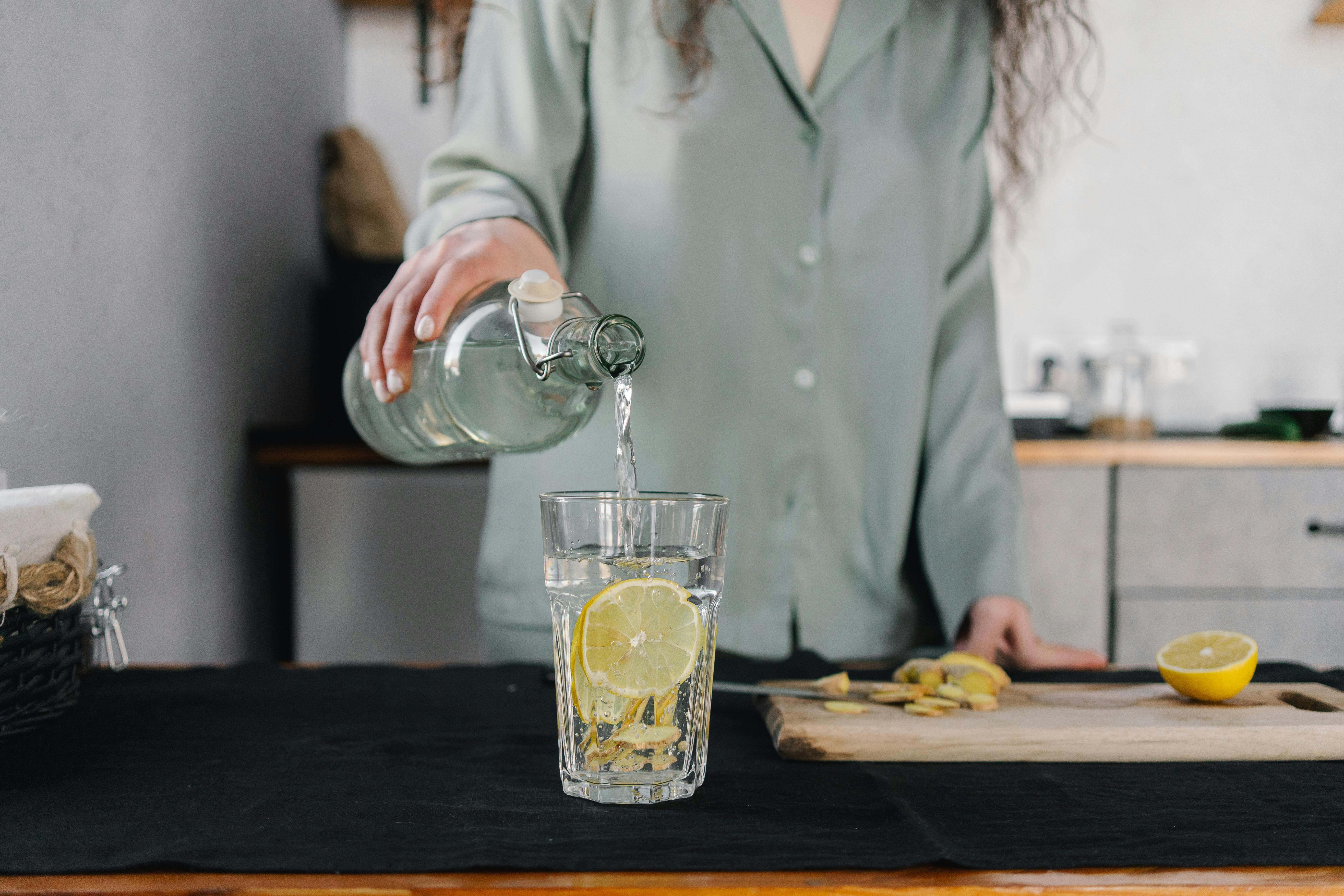
- Ginger: Shows thermogenic properties and may enhance diet-induced thermogenesis when consumed with meals.
🌙 Managing Temperature for Shift Workers and Jet Lag
Individuals with disrupted circadian schedules face unique challenges with temperature regulation. Shift workers must maintain wakefulness when their core body temperature naturally declines, while simultaneously trying to sleep when temperature naturally peaks. This fundamental misalignment contributes to the health risks associated with shift work.
Shift Work Temperature Strategies
For those working night shifts, strategic temperature manipulation can partially compensate for circadian disruption:
- Increase environmental temperature and light exposure during night work to support elevated core temperature during required wakefulness
- Engage in brief physical activity during night shifts to maintain higher core temperature
- Consume warm beverages and thermogenic foods during work hours
- Create cool, dark sleeping environments during daytime sleep periods
- Consider strategic bathing after work to facilitate the temperature drop needed for sleep
Jet Lag Recovery Through Temperature
Crossing multiple time zones disrupts the alignment between your internal temperature rhythm and the external environment. Temperature-based interventions can accelerate adaptation:
- Upon arrival, immediately align exercise, meals, and light exposure with the destination time zone to shift temperature rhythms
- Use hot showers or brief exercise in the new morning to raise temperature and promote alertness
- Employ cooling strategies in the new evening, even if you don’t feel sleepy
- Maintain consistent timing of these interventions for several days to entrain circadian rhythms
The Intersection of Temperature, Stress, and Recovery
Chronic stress disrupts normal temperature rhythms through dysregulation of the hypothalamic-pituitary-adrenal (HPA) axis. Elevated cortisol—a stress hormone that should peak in the morning and decline throughout the day—can flatten the temperature curve, reducing the amplitude of daily variation. This blunted rhythm associates with various health problems, including insomnia, depression, and metabolic syndrome.
Recovery-focused temperature interventions can help restore healthy rhythms:
Sauna and Heat Therapy
Regular sauna use (2-7 sessions weekly at 80-100°C for 15-20 minutes) produces numerous health benefits, many mediated through effects on body temperature and circadian function. The significant temperature elevation triggers heat shock proteins, improves cardiovascular function, and may enhance sleep quality when timed appropriately (late afternoon or early evening, not immediately before bed).
Cold Exposure Protocols
Deliberate cold exposure—through cold showers, ice baths, or cold water immersion—creates a different set of benefits. The initial cold stress triggers norepinephrine release and increases metabolic rate as your body works to maintain core temperature. Some evidence suggests regular cold exposure may improve cold tolerance and metabolic health, though effects on circadian rhythms remain less studied than heat exposure.
Individual Variation and Personalization
While the general principles of temperature-circadian interactions apply broadly, significant individual variation exists. Chronotype—your genetic predisposition toward being a morning person or evening person—influences the timing and amplitude of temperature rhythms. Morning types typically show earlier temperature peaks and nadirs, while evening types display delayed patterns.
Age also affects temperature rhythms, with older adults often experiencing dampened amplitude—smaller differences between daily high and low temperatures. This blunted rhythm may contribute to sleep disruption common in aging populations.
Sex differences in temperature regulation exist as well, with women showing greater temperature variability across the menstrual cycle and generally preferring warmer ambient temperatures than men. These differences should inform personalized temperature optimization strategies.
🎯 Creating Your Personal Temperature Optimization Protocol
Implementing temperature-based circadian strategies requires a systematic approach tailored to your individual circumstances, goals, and constraints. Consider the following framework for developing your protocol:
Assessment Phase: Track your current temperature patterns, sleep quality, energy levels, and performance metrics for 1-2 weeks to establish baseline data. Note how different activities and environmental factors influence your subjective experience.
Intervention Selection: Based on your primary goals—whether improving sleep, enhancing athletic performance, managing shift work, or general health optimization—select 2-3 temperature interventions to implement consistently. Avoid changing too many variables simultaneously, as this makes it difficult to identify what works.
Implementation: Apply your selected interventions consistently for at least 2-3 weeks. Circadian adaptation occurs gradually, and premature judgment may miss emerging benefits.
Evaluation and Refinement: After the implementation period, assess changes in your outcome metrics. Refine your approach based on results, potentially adding new interventions or modifying timing and intensity of existing practices.
The Future of Temperature-Based Health Optimization
Research into body temperature and circadian rhythms continues advancing rapidly. Emerging areas include personalized chronotherapy—timing medication delivery to align with circadian temperature patterns for enhanced efficacy and reduced side effects. Cancer treatment, cardiovascular medications, and vaccines all show promise when administered at optimal circadian phases.
Advanced wearables will likely provide increasingly accurate and actionable temperature data, potentially offering real-time recommendations for optimizing activities, meals, and rest based on individual circadian states. Integration of temperature data with other biomarkers—heart rate variability, glucose levels, sleep architecture—may enable comprehensive circadian health management systems.
The recognition that core body temperature represents both an output of circadian regulation and an input that influences circadian function opens remarkable possibilities for non-pharmaceutical health interventions. By working with rather than against our evolutionary thermal biology, we can enhance multiple dimensions of human performance and wellbeing through elegantly simple yet scientifically grounded approaches.

Bringing Temperature Wisdom into Daily Life
The power of core body temperature as a circadian signal provides a tangible entry point for taking control of your health and performance. Unlike many health interventions requiring expensive supplements, specialized equipment, or complex protocols, temperature optimization relies largely on behavioral adjustments and environmental modifications accessible to most people.
Start with the interventions that address your most pressing challenges—sleep disruption, afternoon energy crashes, or exercise performance—and build from there. Remember that consistency matters more than perfection. A moderately effective intervention applied reliably outperforms a theoretically optimal approach implemented sporadically.
As you develop awareness of your body’s temperature rhythms and how various factors influence them, you’ll likely discover that this ancient physiological pattern offers surprisingly modern solutions to contemporary health challenges. Your core body temperature, fluctuating reliably through its daily arc, represents a biological constant in our rapidly changing world—one that, when properly harnessed, can guide you toward enhanced vitality, performance, and wellbeing. 🌟