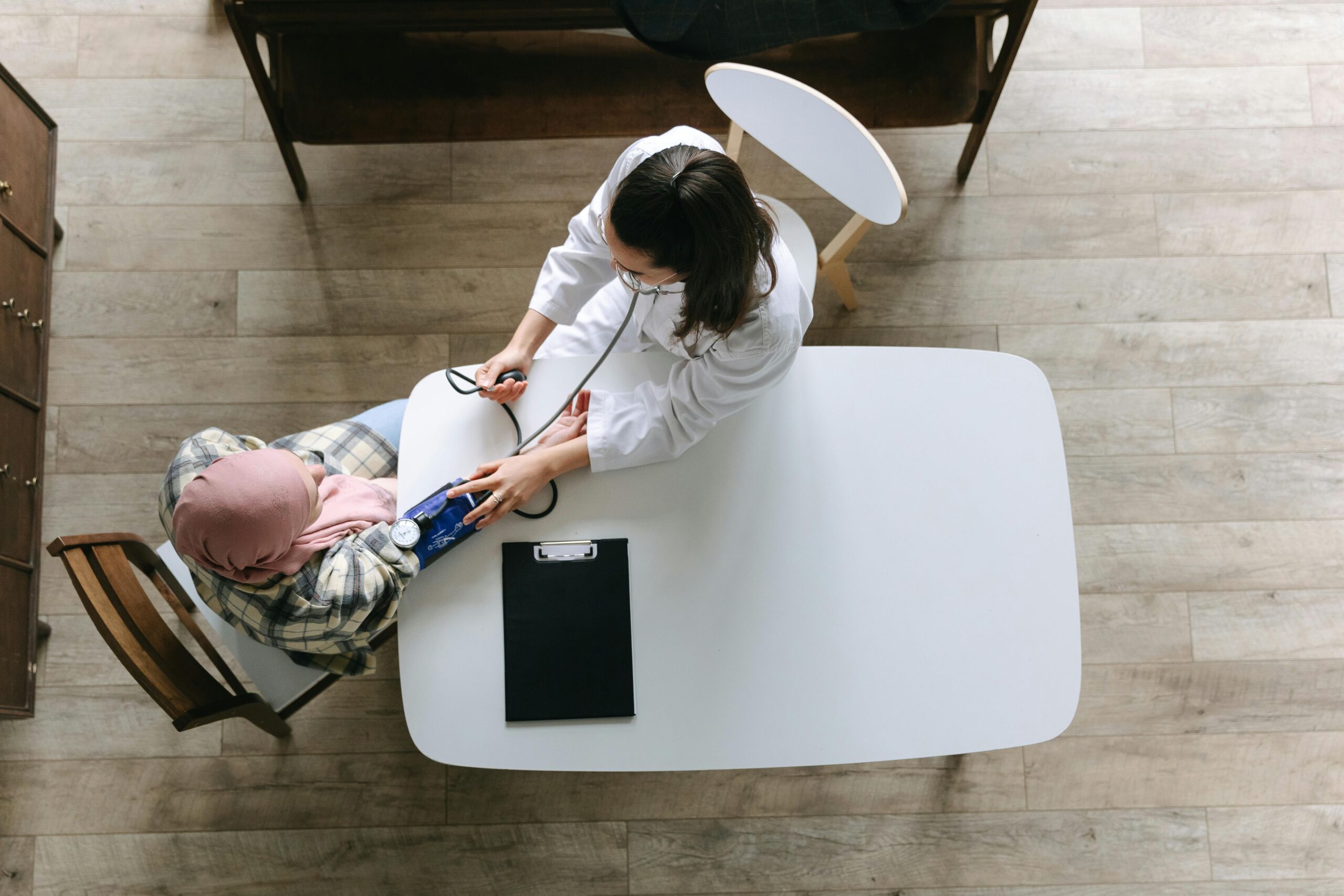
Your body operates on an internal 24-hour clock that regulates everything from sleep to metabolism. When this rhythm falls out of sync, health consequences follow quickly.

🕐 Understanding Your Body’s Internal Timekeeper
The circadian rhythm is far more than just a sleep-wake cycle. This sophisticated biological system orchestrates nearly every physiological process in your body, from hormone secretion and body temperature to immune function and cellular repair. Located in the suprachiasmatic nucleus of your brain, this master clock responds primarily to light exposure but also integrates signals from food intake, physical activity, and social interactions.
When your circadian rhythm functions optimally, you experience sustained energy throughout the day, restful sleep at night, efficient digestion, and robust immune responses. However, modern lifestyle factors including artificial lighting, shift work, jet lag, irregular eating patterns, and constant screen exposure create persistent disruption to this delicate timing system.
The consequences of circadian misalignment extend far beyond feeling tired. Research has linked chronic circadian disruption to increased risks of obesity, diabetes, cardiovascular disease, mood disorders, cognitive decline, and even certain cancers. Understanding when your rhythm is disrupted becomes essential for maintaining long-term health and wellbeing.
📱 The Digital Revolution in Circadian Health Monitoring
Traditional methods of assessing circadian health required expensive laboratory equipment, controlled environments, and invasive procedures. Scientists would measure melatonin levels in saliva, track core body temperature with specialized devices, or conduct polysomnography in sleep labs. While accurate, these approaches remained inaccessible for everyday health monitoring.
Digital biomarkers have transformed this landscape entirely. These are objective, quantifiable physiological and behavioral data collected through digital devices like smartphones, wearables, and sensors. Unlike conventional biomarkers requiring clinical settings, digital biomarkers capture continuous, real-world data that reflects your actual daily patterns and environmental exposures.
The power of digital biomarkers lies in their ability to detect subtle pattern changes before you consciously notice symptoms. Your smartphone tracks screen time and usage patterns. Your smartwatch monitors heart rate variability, movement, and sleep stages. Even your typing rhythm and voice patterns contain circadian signatures that sophisticated algorithms can decode.
Types of Digital Biomarkers for Circadian Assessment
Several categories of digital biomarkers provide insights into circadian function. Activity-based biomarkers track movement patterns throughout the day, revealing your natural activity peaks and rest periods. Sleep biomarkers monitor not just duration but also timing, consistency, and architecture of your sleep stages.
Physiological biomarkers include continuous heart rate monitoring, heart rate variability, skin temperature fluctuations, and even blood oxygen levels during sleep. Behavioral biomarkers capture patterns in smartphone usage, communication timing, social media activity, and cognitive performance throughout the day.
Environmental biomarkers track your light exposure intensity and timing, ambient noise levels, and location data that reveals schedule regularity. When integrated, these diverse data streams create a comprehensive picture of your circadian health that no single measurement could provide.
🔬 The Science Behind Digital Circadian Detection
Advanced algorithms apply machine learning techniques to identify patterns within the noise of daily data fluctuations. These systems establish your personal baseline rhythm by analyzing weeks or months of continuous monitoring, learning your unique circadian signature rather than comparing you to population averages.
Pattern recognition algorithms detect phase shifts where your rhythm moves earlier or later, amplitude reduction where the strength of your circadian signal weakens, and fragmentation where your rhythm becomes irregular. These changes often precede subjective symptoms by days or even weeks, enabling early intervention.
Recent research demonstrates that digital biomarkers can detect circadian disruption with accuracy comparable to laboratory-based methods. Studies have shown that smartphone usage patterns alone can predict circadian phase with surprising precision. When combined with wearable sensor data, prediction accuracy increases substantially.
The predictive power extends beyond detection to forecasting vulnerability periods. Algorithms can identify when you’re most susceptible to circadian disruption based on your recent patterns, upcoming schedule changes, or environmental factors. This enables proactive adjustments rather than reactive damage control.
⌚ Wearable Technology Leading the Charge
Modern wearable devices have evolved into sophisticated circadian monitoring systems. Fitness trackers and smartwatches now incorporate multiple sensors that continuously collect relevant data. Accelerometers track movement intensity and patterns. Optical sensors measure heart rate and blood oxygen. Temperature sensors detect subtle thermal rhythm changes.
Advanced devices include light sensors that measure your daily light exposure spectrum and intensity, providing insights into one of the most powerful circadian synchronizers. Some specialized wearables even track skin conductance and other bioelectric signals that vary with circadian phase.
The continuous, passive nature of wearable monitoring eliminates compliance issues associated with manual tracking. You simply wear the device, and it automatically collects comprehensive data without requiring conscious effort or behavioral changes. This captures your authentic patterns rather than artificially modified behavior that occurs when people know they’re being monitored.
Smartphone Applications as Circadian Monitors
Your smartphone contains a treasure trove of circadian information. Usage patterns reveal when you’re active versus resting, with screen-on times, app engagement, and typing dynamics all fluctuating with circadian phase. Communication patterns show social rhythm regularity, an important circadian synchronizer.
Specialized applications leverage these passive data streams alongside active assessments. Some apps periodically prompt brief cognitive tests that measure attention, reaction time, and working memory throughout the day. These cognitive metrics display strong circadian variation, with performance typically peaking in late morning and declining in early afternoon and late evening.
Voice analysis applications can detect circadian variations in vocal characteristics. Speech patterns, pitch, and articulation change throughout the day following circadian rhythms. Advanced algorithms analyze these acoustic features to assess circadian status without requiring any special effort beyond normal phone conversations.
🎯 Recognizing the Warning Signs
Digital biomarkers reveal specific patterns that indicate circadian disruption. Sleep timing inconsistency represents one of the clearest signals, with bedtime and wake time varying by more than 60-90 minutes between days suggesting circadian instability. Even with adequate total sleep duration, inconsistent timing creates metabolic and cognitive consequences.
Activity fragmentation shows disrupted rest-activity patterns where you should see consolidated activity during the day and consolidated rest at night. Frequent nighttime movement or prolonged daytime inactivity suggests circadian misalignment. Heart rate variability changes provide another sensitive indicator, with reduced variability or altered timing of peak values signaling disruption.
Social jetlag metrics compare your sleep patterns on work days versus free days. Large discrepancies indicate that your social schedule conflicts with your biological rhythm, forcing chronic circadian misalignment. Studies link social jetlag magnitude with metabolic syndrome risk, mood disturbances, and reduced academic or work performance.
- Sleep onset delays greater than 30 minutes regularly
- Wake time variability exceeding 90 minutes between days
- Daytime alertness dips occurring at unexpected times
- Exercise performance declining at previously optimal times
- Appetite patterns becoming irregular or shifted
- Mood fluctuations correlating with schedule changes
- Cognitive performance variability increasing day-to-day
💡 Practical Applications for Health Optimization
Once you identify circadian disruption through digital biomarkers, targeted interventions can restore rhythm integrity. Light therapy timing becomes personalized based on your current phase position. If biomarkers indicate a delayed rhythm, morning bright light exposure helps advance your clock. For advanced rhythms, evening light exposure provides corrective phase delay.
Meal timing optimization represents another powerful intervention. Digital biomarkers can identify your metabolic window when nutrient processing efficiency peaks. Aligning eating periods with this window while implementing time-restricted feeding improves metabolic health markers even without dietary composition changes.
Exercise scheduling becomes strategic rather than convenient. Digital biomarkers reveal when your body achieves peak performance capacity and when recovery processes optimize. Morning exercise often helps stabilize circadian rhythms, but your specific optimal timing depends on your individual rhythm characteristics revealed through continuous monitoring.
Personalized Sleep Schedule Recommendations
Generic sleep advice recommends seven to nine hours nightly, but digital biomarkers enable precise personalization. By analyzing your sleep architecture, recovery metrics, and next-day performance, algorithms determine your individual sleep need and optimal timing window.
Some people function optimally with shorter sleep durations while others require more. Your chronotype—whether you’re naturally an early bird or night owl—influences ideal sleep timing. Digital biomarkers identify these individual characteristics and generate tailored recommendations that work with rather than against your biology.
Consistency emerges as equally important as duration. Digital tracking reveals that maintaining regular sleep-wake times within a 30-minute window, even on weekends, produces better health outcomes than variable schedules with longer weekend sleep that attempts to “catch up” on sleep debt.
🌍 Environmental Factors and Digital Detection
Modern built environments often create circadian disruption through inappropriate lighting, temperature control, and scheduling demands. Digital biomarkers help quantify these environmental impacts on your personal physiology. Light sensors measure not just intensity but spectral composition, identifying blue-enriched light exposure during evening hours that suppresses melatonin and delays circadian phase.
Temperature monitoring reveals if your sleeping environment maintains appropriate thermal conditions for optimal sleep. Core body temperature needs to drop for sleep initiation, but overly warm bedrooms prevent this physiological requirement. Continuous monitoring identifies temperature-related sleep disruptions that might otherwise remain unrecognized.
Noise exposure tracking captures sound disturbances that fragment sleep without waking you to conscious awareness. Even subconscious arousals impair sleep quality and circadian stability. Digital biomarkers correlate environmental noise patterns with sleep architecture disruption, enabling targeted mitigation strategies.
| Environmental Factor | Optimal Range | Circadian Impact |
|---|---|---|
| Bedroom Temperature | 60-67°F (15-19°C) | Facilitates core temperature drop needed for sleep onset |
| Morning Light Exposure | 10,000+ lux within 1 hour of waking | Reinforces circadian phase and promotes alertness |
| Evening Light Exposure | <50 lux, minimal blue spectrum 2 hours before bed | Allows natural melatonin rise and sleep preparation |
| Noise Levels During Sleep | <30 decibels continuous | Prevents sleep fragmentation and autonomic arousal |
🚀 Future Horizons in Circadian Digital Health
Emerging technologies promise even more sophisticated circadian monitoring capabilities. Continuous glucose monitors reveal metabolic rhythms with unprecedented precision, showing how circadian timing affects glucose regulation throughout the day. This technology, initially developed for diabetes management, now enables metabolic rhythm optimization for general health.
Wearable EEG devices bring brain activity monitoring outside laboratory settings, capturing sleep stage transitions and brain rhythm patterns that reflect circadian status. Combined with other biomarkers, these devices provide comprehensive neurophysiological circadian assessment.
Artificial intelligence systems increasingly predict circadian disruption before it manifests. By analyzing patterns across thousands of users, machine learning models identify early warning signatures specific to different disruption types. Predictive algorithms might alert you that based on recent patterns, you’re likely to experience circadian desynchronization within days unless you make specific adjustments.
Integration with Precision Medicine
Circadian biomarkers are becoming integrated into broader precision medicine approaches. Chronotherapy optimizes medication timing based on circadian pharmacokinetics and pharmacodynamics. Many drugs show significantly different efficacy and side effect profiles depending on administration timing relative to circadian phase.
Cancer chronotherapy administers chemotherapy when tumor cells are most vulnerable and healthy cells most protected, following circadian variation in cell cycle regulation. Cardiovascular medications often work more effectively when timed with daily blood pressure and heart rate rhythms. Digital biomarkers enable precise circadian phase determination, optimizing therapeutic timing for individual patients.
Surgical outcomes improve when procedures are scheduled considering circadian influences on anesthesia response, inflammatory processes, and wound healing. Digital biomarker assessment could eventually guide optimal surgical timing for elective procedures, reducing complications and accelerating recovery.
⚡ Taking Control of Your Circadian Health
Implementing digital circadian monitoring requires selecting appropriate tools that match your needs and preferences. Begin with devices you’ll actually use consistently rather than the most feature-rich options you’ll abandon. Many people find that combining a basic fitness tracker with a smartphone app provides sufficient data without overwhelming complexity.
Establish baseline measurements over several weeks before making major changes. This patience allows algorithms to learn your personal patterns and provides comparison data for assessing intervention effectiveness. Rushing into dramatic schedule modifications without understanding your current rhythm often backfires.
Focus on consistency as your primary optimization target. Regular sleep-wake times, consistent light exposure patterns, and predictable meal timing strengthen circadian amplitude even if your schedule doesn’t perfectly align with traditional recommendations. A consistent slightly delayed schedule often produces better outcomes than an irregular schedule attempting to follow conventional timing.
Monitor how lifestyle changes affect your digital biomarkers rather than relying solely on subjective feelings. Sometimes interventions produce measurable improvements before you consciously perceive benefits. Conversely, something that feels helpful might show no objective biomarker improvement, suggesting placebo effects rather than true physiological benefit.

🎓 Empowering Health Through Circadian Awareness
Digital biomarkers democratize circadian health monitoring that was previously restricted to research laboratories and specialized clinics. This accessibility empowers individuals to understand their own biology and make informed decisions about lifestyle factors affecting long-term health.
The shift from reactive healthcare toward proactive health optimization depends on continuous monitoring technologies that detect problems during reversible stages. Circadian disruption often precedes diagnosable disease by years. Early detection through digital biomarkers enables interventions that prevent rather than merely treat chronic conditions.
As technology advances and costs decrease, circadian monitoring will likely become as routine as checking blood pressure or monitoring weight. The integration of artificial intelligence will provide increasingly sophisticated insights and personalized recommendations, making optimal circadian health achievable for everyone regardless of scientific expertise.
Your circadian rhythm represents a fundamental aspect of human biology that profoundly influences every dimension of health. Digital biomarkers finally provide the tools to understand, monitor, and optimize this critical system. By leveraging these technologies, you can align your lifestyle with your biology rather than fighting against it, unlocking sustained energy, improved performance, and long-term wellness that comes from living in harmony with your body’s natural rhythms.