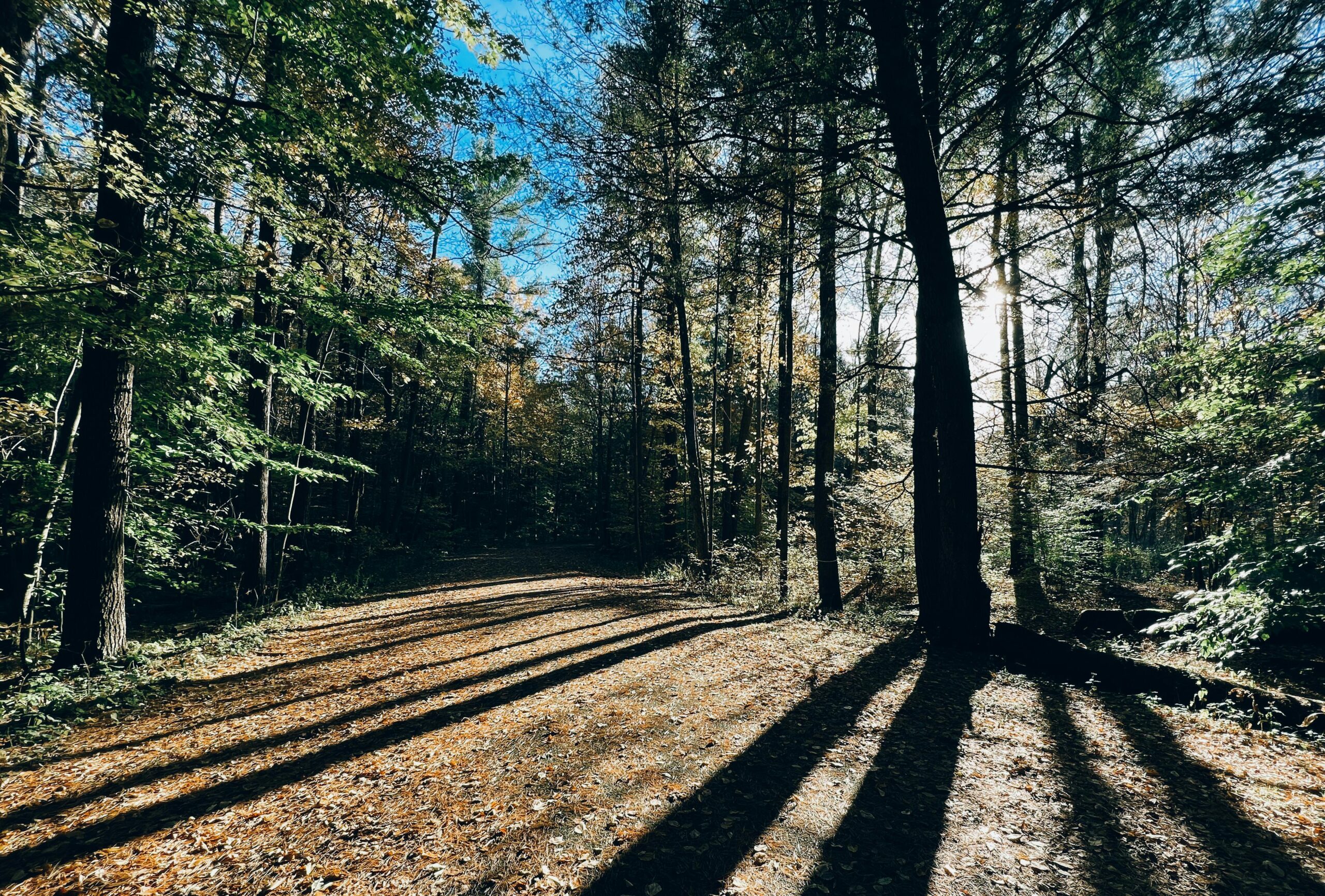
Your body operates on an internal clock that influences everything from sleep to digestion. Understanding and measuring your circadian rhythm can transform your health, energy levels, and overall well-being.

🌅 What Is Your Circadian Rhythm and Why Does It Matter?
Your circadian rhythm is essentially your body’s 24-hour internal clock, running in the background to carry out essential functions and processes. This biological timekeeper regulates your sleep-wake cycle, hormone release, eating habits, digestion, body temperature, and other important bodily functions.
Located in the hypothalamus, the suprachiasmatic nucleus (SCN) serves as your body’s master clock. It responds primarily to light and darkness in your environment, which is why you naturally feel alert during daylight hours and sleepy when it gets dark. When your circadian rhythm is aligned with your lifestyle, you experience better sleep quality, improved mood, enhanced cognitive performance, and stronger immune function.
However, modern life often disrupts this natural rhythm. Artificial lighting, shift work, jet lag, late-night screen time, and irregular eating patterns can all throw your internal clock off balance. This misalignment, known as circadian disruption, has been linked to numerous health issues including insomnia, obesity, diabetes, depression, seasonal affective disorder, and even certain cancers.
📊 Understanding Your Chronotype: The Foundation of Circadian Health
Before diving into measurement techniques, it’s crucial to understand that not everyone’s circadian rhythm follows the same pattern. Your chronotype refers to your body’s natural inclination to sleep at a particular time during a 24-hour period. You’ve likely heard terms like “morning person” or “night owl”—these describe different chronotypes.
Research has identified several chronotype categories, with the most popular classification system developed by Dr. Michael Breus identifying four types: Lions (early risers), Bears (following the solar cycle), Wolves (night owls), and Dolphins (light sleepers). Understanding your chronotype helps you work with your body’s natural tendencies rather than against them.
Your chronotype is influenced by genetics, age, and environmental factors. Teenagers and young adults tend to have delayed circadian phases, naturally staying up later and sleeping in. As we age, our circadian rhythms typically shift earlier, which explains why older adults often wake up very early in the morning.
🌡️ Body Temperature Tracking: Your Internal Thermometer
One of the most reliable physiological markers of your circadian rhythm is your core body temperature, which naturally fluctuates throughout the day. Your body temperature typically reaches its lowest point around 4-5 AM and peaks in the late afternoon or early evening, usually between 4-7 PM.
To track your body temperature rhythm at home, you’ll need a reliable thermometer and consistency. Take your temperature at regular intervals throughout the day—ideally every 2-3 hours while you’re awake. Record these measurements over several days to establish a pattern. Digital thermometers work well for this purpose, though wearable devices that continuously monitor temperature provide more comprehensive data.
When analyzing your temperature data, look for the consistent low and high points. The timing of your temperature minimum (usually occurring during sleep) is a key marker of your circadian phase. If your temperature minimum occurs very early (around 3 AM), you likely have an advanced circadian phase (morning chronotype). If it occurs later (around 6-7 AM), you probably have a delayed phase (evening chronotype).
😴 Sleep Pattern Analysis: Listening to Your Natural Sleep Drive
Your sleep-wake patterns provide invaluable insights into your circadian rhythm. By carefully tracking when you naturally feel sleepy and when you wake up without an alarm, you can map your body’s preferred schedule.
Start by keeping a detailed sleep diary for at least two weeks. Record the following information daily:
- What time you start feeling sleepy in the evening
- What time you actually go to bed
- How long it takes you to fall asleep
- Any nighttime awakenings
- What time you naturally wake up (without an alarm when possible)
- How refreshed you feel upon waking
- Any daytime naps and their timing
Pay special attention to weekends or days off when you’re not constrained by work schedules. Your natural wake time on these days, after sufficient sleep opportunity, reveals your true circadian preference. If you consistently sleep much later on weekends than weekdays, you likely have social jet lag—a mismatch between your biological clock and social obligations.
💡 The Dim Light Melatonin Onset Test: The Gold Standard
Melatonin, often called the “hormone of darkness,” is a powerful marker of circadian phase. Your body begins producing melatonin in response to darkness, typically starting about 2-3 hours before your natural bedtime. This phenomenon is called Dim Light Melatonin Onset (DLMO).
While clinical DLMO testing requires specialized equipment and laboratory analysis of saliva or blood samples, you can approximate this measurement at home by carefully observing your body’s signals. In the evening, dim all lights in your home to very low levels—think candlelight or soft amber lighting—and avoid all screens.
Starting about 4-5 hours before your usual bedtime, check in with yourself every 30 minutes. Note when you first begin experiencing genuine sleepiness: heavy eyelids, yawning, difficulty concentrating, or a slight drop in body temperature (feeling cooler). This approximates your DLMO and typically occurs about 2 hours before your ideal bedtime.
The timing of your melatonin onset relative to your actual bedtime provides important information. If you’re going to bed significantly before your DLMO, you may experience difficulty falling asleep. If you’re staying up well past your DLMO, you’re fighting your natural sleep drive and may experience poor sleep quality.
⚡ Energy Level Mapping: Following Your Natural Performance Peaks
Your circadian rhythm strongly influences your energy levels, alertness, and cognitive performance throughout the day. By mapping your natural energy fluctuations, you can identify your circadian peaks and troughs.
Create an energy tracking chart where you rate your alertness, energy, and mental clarity on a scale of 1-10 at regular intervals throughout the day. Set reminders on your phone to check in every 2 hours while awake. Do this for at least one week to establish reliable patterns.
Most people experience predictable circadian-driven energy patterns. There’s typically a dip in alertness and energy in the early afternoon (around 2-4 PM), sometimes called the “post-lunch dip,” though it occurs regardless of whether you eat lunch. Many people also experience their peak cognitive performance in the late morning (around 10 AM-12 PM) and a secondary peak in the early evening (around 6-8 PM).
However, these patterns vary significantly based on chronotype. Night owls may not hit their cognitive stride until late afternoon or evening, while early birds often perform best in the morning hours. Understanding your personal energy map allows you to schedule demanding tasks during your peak periods and save less critical activities for your natural energy dips.
🍽️ Appetite and Digestion Timing: Your Metabolic Clock
Your circadian system doesn’t just regulate sleep—it also governs your metabolism and digestive processes. Your body’s ability to process food efficiently varies throughout the day, with metabolic function typically peaking during daylight hours and slowing down in the evening.
Track your natural hunger patterns for a week or two. Note when you first feel genuinely hungry after waking, when you experience the strongest appetite during the day, and when hunger naturally diminishes in the evening. Pay attention to how your body responds to meals eaten at different times.
Research shows that eating in alignment with your circadian rhythm—consuming most calories earlier in the day and reducing evening food intake—can improve metabolic health, weight management, and sleep quality. If you find yourself not hungry at all in the morning but ravenous late at night, this might indicate a circadian phase delay or disrupted eating patterns that conflict with your natural rhythm.
📱 Wearable Technology: Continuous Circadian Monitoring
Modern wearable devices have made circadian rhythm tracking more accessible than ever. Fitness trackers and smartwatches can continuously monitor several circadian markers including sleep-wake patterns, heart rate variability, body temperature, and activity levels.
Many wearables now offer specific sleep tracking features that identify your sleep stages (light, deep, and REM sleep), which follow circadian patterns. They can show you when you’re getting your most restorative deep sleep (typically in the first half of the night) and when REM sleep predominates (usually in the early morning hours). This information helps you understand whether your sleep timing aligns with your natural circadian rhythm.
Some advanced wearables also track heart rate variability (HRV), which shows circadian patterns. HRV typically increases during sleep and is highest during deep sleep stages. Resting heart rate also follows a circadian pattern, generally reaching its lowest point during sleep and peaking during late afternoon or early evening activity.
When choosing a wearable for circadian tracking, look for devices that offer comprehensive sleep analysis, continuous heart rate monitoring, and temperature sensing. The data becomes most valuable when tracked consistently over weeks or months, revealing patterns and helping you identify factors that improve or disrupt your circadian alignment.
☀️ Light Exposure Tracking: The Master Synchronizer
Light is the most powerful external cue for setting your circadian rhythm. Your exposure to bright light, especially blue-wavelength light, tells your brain whether it’s day or night. Tracking your light exposure patterns can reveal whether you’re getting the right light at the right times to support a healthy circadian rhythm.
For a low-tech approach, keep a light exposure diary. Note when you first see bright light in the morning, how much time you spend outdoors or near windows during the day, and when you dim lights in the evening. Also record your screen time, particularly in the evening hours, as device screens emit blue light that can suppress melatonin and delay your circadian phase.
The ideal pattern includes bright light exposure within 30-60 minutes of waking, adequate daylight exposure during the day, gradual dimming of lights in the evening, and minimal bright or blue light exposure in the 2-3 hours before bed. If your light exposure pattern differs significantly from this ideal, it may explain circadian disruption symptoms you’re experiencing.
🧪 At-Home Hormone Testing: Advanced Circadian Assessment
While more involved and expensive than other methods, at-home hormone testing kits can provide objective data about your circadian rhythm. Several companies now offer saliva-based testing kits that measure melatonin and cortisol levels at multiple time points throughout the day.
Cortisol, your primary stress hormone, follows a strong circadian pattern called the cortisol awakening response. Levels should be highest in the morning, peaking about 30-45 minutes after waking, then gradually declining throughout the day to reach their lowest point around midnight. Measuring your cortisol curve can identify circadian disruptions that might not be apparent from sleep patterns alone.
These at-home tests typically involve collecting saliva samples at specific times (often four to six samples throughout the day and evening) and mailing them to a laboratory for analysis. The results show whether your hormone patterns follow a healthy circadian rhythm or if there are disruptions that might benefit from intervention.
🎯 Putting It All Together: Creating Your Circadian Profile
The most comprehensive understanding of your circadian rhythm comes from combining multiple measurement approaches. No single metric tells the complete story, but together they create a detailed picture of your body’s natural timing.
Start with the simplest, most accessible methods: sleep tracking, energy level mapping, and observing your natural tendencies on free days. These require no special equipment and provide foundational insights. Then layer on additional data from body temperature tracking, appetite patterns, and light exposure analysis.
Look for consistency across different markers. If your energy peaks in the evening, your natural sleep time is late, and you don’t feel hungry until late morning, these converging signals indicate an evening chronotype with a delayed circadian phase. Conversely, if you wake naturally early, feel hungry soon after waking, and experience peak energy in the morning, you likely have an advanced circadian phase.
Once you’ve identified your circadian pattern, you can make informed decisions about timing important activities. Schedule mentally demanding work during your cognitive peaks, exercise when your body temperature is highest (when physical performance is best), and align your eating patterns with your metabolic rhythm.
🔄 Optimizing Your Rhythm: Beyond Measurement
Understanding your circadian rhythm is just the first step—the real benefits come from aligning your lifestyle with your natural patterns. Use your measurement insights to optimize your daily schedule, improve sleep quality, and enhance overall well-being.
If you’ve identified circadian disruption—such as misalignment between your biological clock and your daily schedule—there are evidence-based strategies to gradually shift your rhythm. Light exposure therapy, strategic meal timing, consistent sleep-wake schedules, and even carefully timed exercise can all help reset your circadian clock.
Remember that circadian rhythms aren’t fixed. They can shift in response to environmental cues and lifestyle factors. Regular measurement allows you to track how interventions affect your rhythm and fine-tune your approach over time. Some people find their circadian patterns change with seasons, requiring adjustments to their routines as daylight hours shift throughout the year.
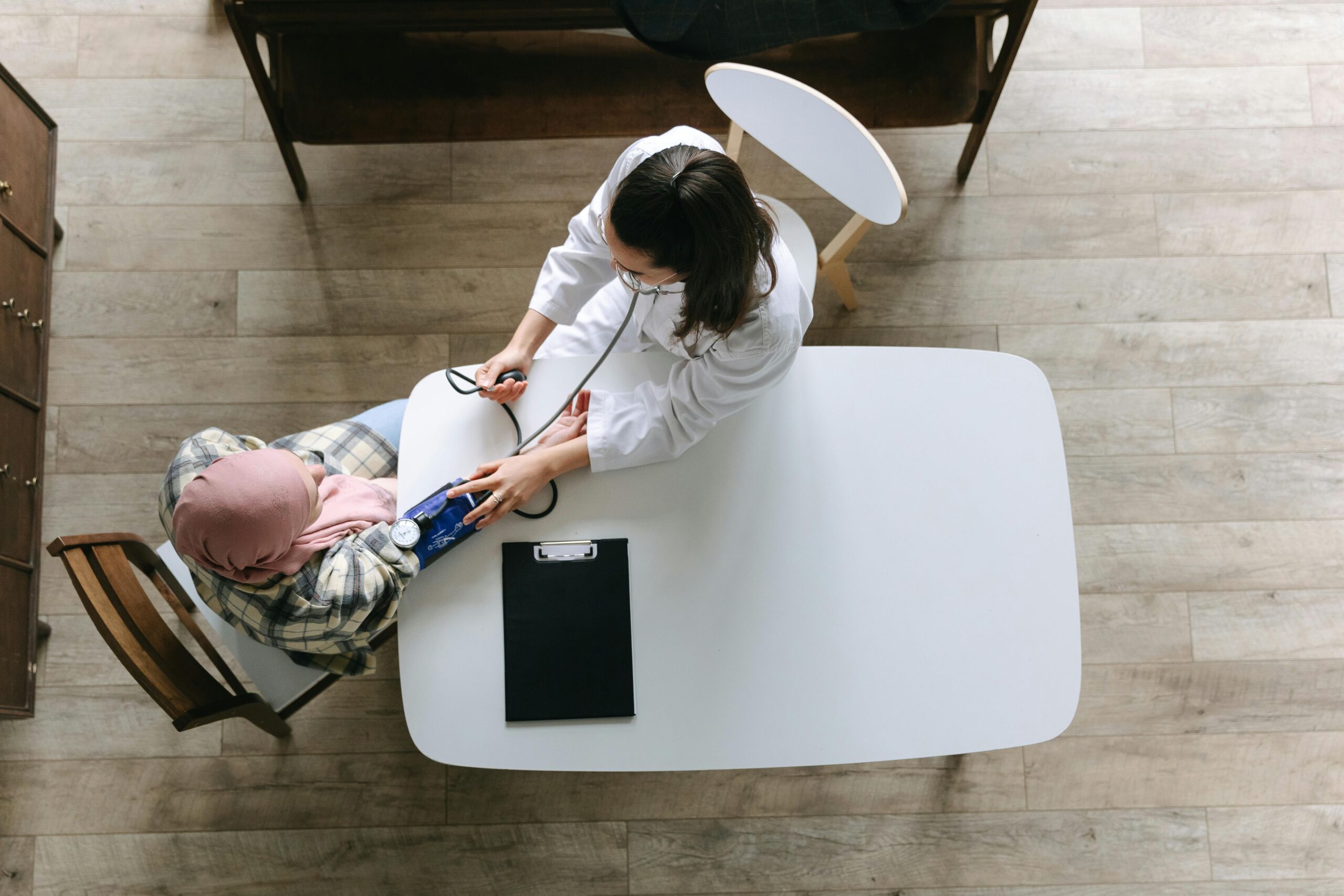
🌟 Your Journey to Circadian Wellness Starts Now
Measuring your circadian rhythm at home empowers you with personalized insights about your body’s natural timing. This knowledge isn’t just intellectually interesting—it’s practically transformative. When you work with your circadian rhythm rather than against it, you unlock better sleep, improved energy, enhanced cognitive performance, and stronger overall health.
Start with one or two measurement methods that appeal to you and feel sustainable. Consistency matters more than perfection. Even simple tracking over a couple of weeks can reveal patterns you’ve never noticed before. As you become more attuned to your body’s signals and natural rhythms, you’ll find yourself making intuitive choices that support your circadian health.
Your circadian rhythm is uniquely yours—a biological signature as individual as your fingerprint. By learning to read this internal timekeeper, you’re taking a powerful step toward optimizing your health, maximizing your potential, and living in harmony with your body’s natural wisdom. The tools are simple, the science is sound, and the benefits are profound. Your journey to circadian wellness begins with understanding, and understanding begins with measurement.