Your body craves light like plants need sunshine, but modern life keeps you trapped indoors. Understanding and tracking your light exposure can transform your sleep, energy, and overall health.

🌅 Why Your Body Runs on Light
Every cell in your body operates on an internal 24-hour clock called the circadian rhythm. This biological timekeeper doesn’t run independently—it needs external cues to stay synchronized with the Earth’s day-night cycle. The most powerful cue? Light exposure.
Your eyes contain specialized photoreceptors called intrinsically photosensitive retinal ganglion cells (ipRGCs). These cells are particularly sensitive to blue wavelengths of light and send signals directly to your brain’s master clock, the suprachiasmatic nucleus (SCN). When bright light hits these receptors, your brain understands it’s daytime and adjusts your physiology accordingly.
This system controls far more than just sleep. Your circadian rhythm regulates hormone production, body temperature, digestion, immune function, and even your mood. When this rhythm falls out of sync—a condition called circadian misalignment—the consequences extend throughout your entire body.
The Hidden Cost of Indoor Living
Modern humans spend approximately 90% of their time indoors, where light intensity rarely exceeds 500 lux. Compare this to outdoor light levels: a cloudy day delivers 10,000 lux, while direct sunlight provides 100,000 lux or more. This dramatic difference means most people are chronically underexposed to the bright light their circadian systems require.
Indoor lighting creates another problem beyond mere dimness. Artificial lights typically lack the full spectrum and dynamic variation of natural sunlight. Your ancestors experienced gradually brightening mornings, intense midday sun, warm afternoon light, and darkness after sunset. Today, you might wake in darkness, experience constant moderate lighting all day, then stare at bright screens until bedtime.
This disconnection from natural light patterns contributes to widespread sleep disorders, seasonal affective disorder, decreased cognitive performance, and metabolic dysfunction. The good news? You can fix this problem once you start measuring and optimizing your light exposure.
📊 Understanding Light Metrics That Matter
Before you can optimize your light exposure, you need to understand how light is measured. Several metrics matter for circadian health:
Lux measures illuminance—the amount of light falling on a surface. This is the most common measurement for tracking circadian-effective light. Aim for at least 1,000 lux within the first hour of waking, and 10,000 lux sometime during your morning.
Melanopic lux specifically measures the light wavelengths that affect your circadian system. This metric accounts for the fact that blue-enriched light has a stronger circadian impact than other colors. A light source might measure 500 lux but deliver only 250 melanopic lux if it lacks blue wavelengths.
Color temperature, measured in Kelvin (K), indicates whether light appears warm (reddish, 2000-3000K) or cool (bluish, 5000-6500K). Higher color temperatures generally signal daytime to your brain, while lower temperatures indicate evening.
Timing matters as much as intensity. The same bright light exposure produces dramatically different effects depending on when you receive it. Morning light advances your circadian phase (makes you a morning person), while evening light delays it (shifts you toward night owl tendencies).
🔍 How to Track Your Personal Light Environment
Awareness precedes optimization. You cannot improve what you don’t measure. Several approaches exist for tracking your light exposure throughout the day:
Smartphone Light Meters
Your smartphone contains a light sensor, and various apps can convert this into a functional lux meter. While not laboratory-grade accurate, these apps provide sufficient data to understand your exposure patterns. Take measurements at eye level (not pointing at the ceiling) in each environment where you spend time.
Document your light exposure at key times: immediately upon waking, mid-morning, noon, mid-afternoon, evening, and before bed. After tracking for just three days, patterns will emerge showing when you’re getting adequate bright light and when you’re not.
Wearable Light Trackers
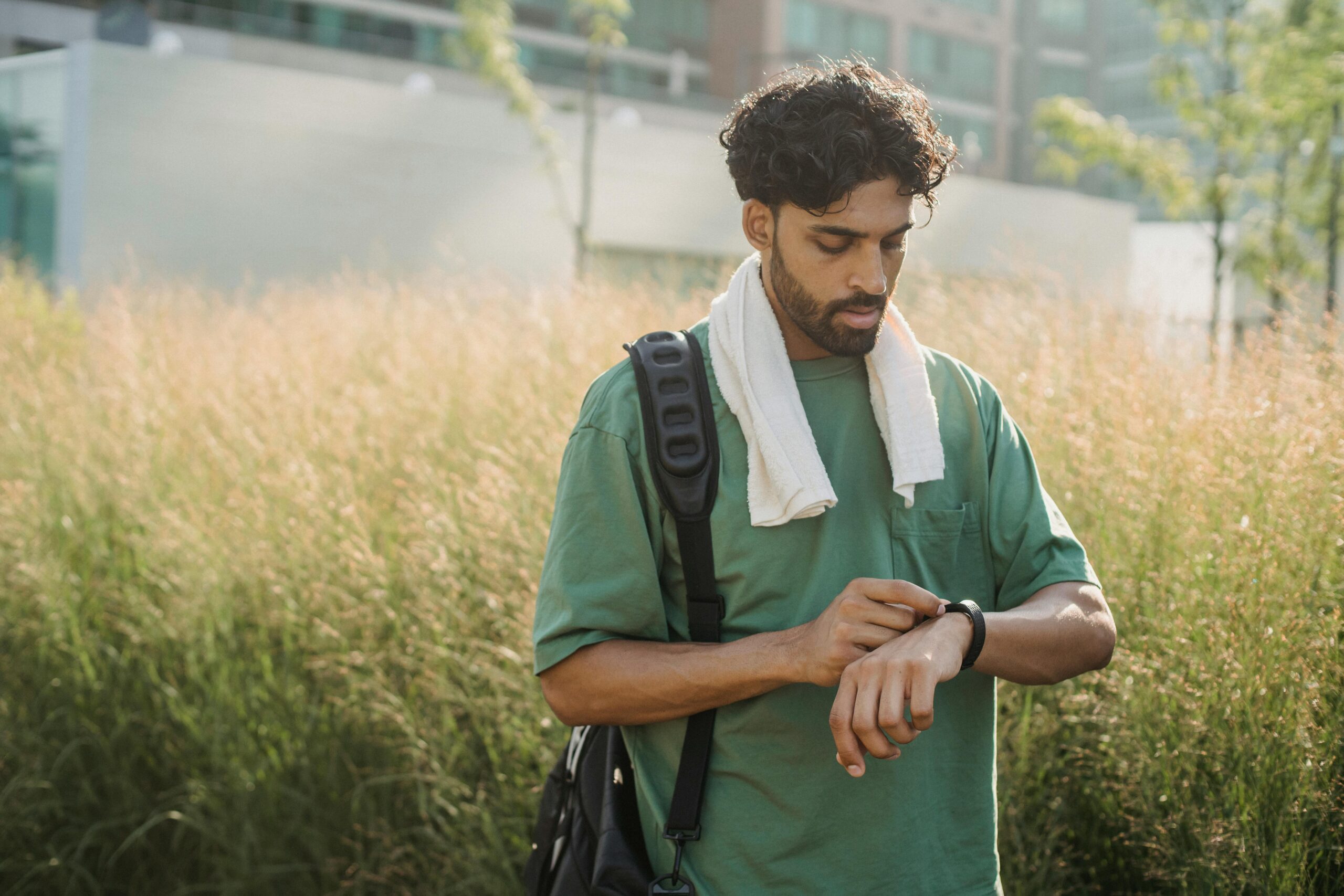
Several wearable devices now include light sensors that continuously monitor your exposure. These provide much richer data than manual measurements, revealing exactly how much circadian-effective light you receive throughout the day. Some devices specifically measure melanopic lux rather than standard lux, providing more relevant circadian data.
The advantage of continuous tracking is discovering unexpected patterns. You might learn that your afternoon office location receives virtually no natural light, or that your evening TV watching exposes you to more blue light than you realized.
Environmental Light Logging
Beyond personal tracking, consider measuring the baseline light levels in your primary environments. Test different locations in your home, various rooms at work, your car, and outdoor spaces you frequent. This environmental audit reveals opportunities for optimization.
Create a simple table documenting these measurements:
| Location | Time of Day | Lux Level | Notes |
|---|---|---|---|
| Bedroom | 7:00 AM | 50 lux | Blackout curtains block morning light |
| Kitchen | 7:30 AM | 300 lux | Overhead LED, no windows |
| Office Desk | 10:00 AM | 400 lux | Fluorescent ceiling lights |
| Outside (cloudy) | 12:00 PM | 8,000 lux | Even without direct sun, much brighter |
☀️ Morning Light: Your Most Powerful Tool
The first light exposure of your day sets your circadian clock. This morning signal tells your brain when to suppress melatonin, increase cortisol, raise body temperature, and prepare for active daytime functioning. Missing this signal or receiving it at inconsistent times creates circadian drift.
Aim to expose yourself to bright light—ideally 10,000 lux or more—within 30-60 minutes of waking. Outdoor exposure works best because it provides the intensity, spectrum, and spatial distribution that artificial lights cannot replicate. Even ten minutes outside on a cloudy morning delivers more circadian-effective light than an hour indoors under typical artificial lighting.
If going outside isn’t immediately possible, position yourself near a window during your morning routine. The closer you are to the window, the more light reaches your eyes. Light intensity decreases dramatically with distance—just a few feet back from a window might reduce your exposure by 50% or more.
For those living in high latitudes during winter months, when sunrise occurs late or not at all, a light therapy box becomes essential. These devices deliver 10,000 lux at a specified distance and can effectively substitute for natural morning light. Use them for 20-30 minutes during your intended wake time, positioned at eye level about 16-24 inches away.
Optimizing Daytime Light Exposure
Your circadian system doesn’t just need morning light—it benefits from continued bright exposure throughout the day. This sustained signal reinforces to your brain that it’s daytime, supporting alertness, mood, and metabolic function.
Seek opportunities for outdoor time during your day. Lunch breaks, walking meetings, or simply stepping outside for a few minutes every couple of hours accumulates meaningful exposure. Even brief outdoor excursions provide substantially more light than remaining indoors.
If outdoor access is limited, position your workspace near windows and keep blinds or curtains open. South-facing windows (in the Northern Hemisphere) provide the most consistent natural light throughout the day. Consider rearranging your work area to maximize natural light exposure, even if this means moving away from the optimal ergonomic position slightly.
Indoor lighting can supplement natural light but rarely replaces it effectively. If adding artificial light to your workspace, choose fixtures that provide at least 1,000 lux at eye level. Overhead lighting alone typically underilluminates your eyes; adding a desk lamp or light box provides much more effective exposure.
🌙 Evening Light Management
While maximizing bright light during the day strengthens your circadian rhythm, minimizing bright light during the evening proves equally important. Evening light exposure delays your circadian phase, making it harder to fall asleep at your desired bedtime and more difficult to wake feeling refreshed.
Begin dimming your environment 2-3 hours before bedtime. This doesn’t mean sitting in darkness, but rather reducing light intensity and shifting toward warmer color temperatures. Aim for lighting levels below 200 lux and color temperatures around 2000-2700K during your evening hours.
Screen time poses a particular challenge because devices emit blue-enriched light that strongly suppresses melatonin. If you must use screens in the evening, enable night mode, blue light filters, or wear blue-blocking glasses. Better yet, establish a screen curfew and shift to reading physical books, conversation, or other non-screen activities before bed.
Your bedroom should be very dark during sleep—ideally below 1 lux. Even small amounts of light during sleep can disrupt circadian function and sleep quality. Use blackout curtains, cover or remove light-emitting devices, and consider a sleep mask if complete darkness isn’t achievable.
📱 Technology Tools for Light Tracking
Several applications help you monitor and optimize your light exposure patterns. Light meter apps convert your smartphone sensor into a measurement device, allowing quick spot checks of your environment. While accuracy varies between devices, they provide sufficient data for circadian optimization purposes.
More sophisticated apps combine light tracking with sleep data, activity patterns, and subjective wellness ratings. This integration helps you identify correlations between your light exposure and how you feel, creating personalized insights about your optimal patterns.
Smart home systems now include circadian lighting features that automatically adjust color temperature and intensity throughout the day. These systems provide warmer, dimmer light in the evening and brighter, cooler light during the day, creating a more natural indoor light environment without requiring manual adjustments.
Special Considerations for Shift Workers
Shift workers face unique circadian challenges because their work schedules conflict with natural light-dark cycles. Strategic light exposure becomes even more critical for this population to maintain health and performance.
If working night shifts, you need bright light exposure during your work hours to maintain alertness and shift your circadian phase appropriately. Light therapy devices or very bright workplace lighting (>1,000 lux) help signal to your body that it should be awake and alert.
Equally important is blocking light during your daytime sleep period. Blackout curtains, sleep masks, and blue-blocking glasses worn during your commute home help preserve your shifted circadian phase. Without this darkness during sleep, your body receives conflicting signals that prevent full adaptation to your schedule.
Rotating shift workers face the greatest challenge, as their circadian systems never fully adapt before schedules change again. Prioritize light exposure timing around your transitions: use bright light during the first few hours of your new wake time to accelerate adaptation.
🎯 Creating Your Personal Light Exposure Protocol
Now that you understand circadian principles and tracking methods, design a personal protocol optimized for your lifestyle, location, and goals. Start with these evidence-based foundations and adjust based on your tracked results:
- Upon waking: Get 10,000+ lux within 30 minutes, ideally from outdoor exposure or a light therapy box
- Morning: Maintain bright light (>1,000 lux) during your first 2-3 hours awake
- Daytime: Seek periodic outdoor breaks or stay near windows; maintain >500 lux
- Evening: Reduce to <200 lux starting 2-3 hours before bed; shift to warm lighting (2000-2700K)
- Sleep: Maintain darkness <1 lux throughout the night
Track your energy levels, mood, sleep quality, and wake time for at least two weeks while following your protocol. This data reveals whether your light exposure patterns are working or need adjustment. Most people notice improvements within 3-7 days of consistent practice.
Beyond Sleep: Surprising Benefits of Light Optimization
While better sleep motivates most people to optimize light exposure, the benefits extend far beyond nighttime rest. Research demonstrates that proper circadian light exposure improves cognitive performance, particularly attention, memory, and executive function. Students and knowledge workers often experience measurably better performance simply by increasing morning light exposure.
Mood improvements represent another significant benefit. Seasonal affective disorder (SAD) responds dramatically to light therapy, but even people without diagnosed SAD often report elevated mood with increased daytime bright light exposure. The mechanism involves both direct effects on mood-regulating neurotransmitters and indirect effects through improved sleep quality.
Metabolic health also connects to circadian function. Circadian misalignment disrupts glucose metabolism, hunger hormone regulation, and energy expenditure. Strengthening your circadian rhythm through proper light exposure may support healthy metabolism and body composition.
🚀 Taking Action: Your Next Steps
Knowledge without implementation changes nothing. Begin your light optimization journey with these immediate action steps:
First, download a light meter app and measure your current exposure patterns. Document the light levels in your bedroom, morning routine areas, workplace, and evening locations. These baseline measurements reveal your most important opportunities for improvement.
Second, identify your easiest morning light intervention. Can you open bedroom curtains immediately upon waking? Eat breakfast near a window? Take a morning walk? Choose the option that fits most seamlessly into your existing routine, because consistency matters more than perfection.
Third, audit your evening light environment. Identify bright light sources and screens that you can eliminate or dim during the 2-3 hours before bed. Small changes like using table lamps instead of overhead lights or reading physical books instead of tablets accumulate significant effects.
Finally, commit to tracking for at least two weeks. Note your bedtime, wake time, sleep quality, daytime energy, and mood alongside your light exposure data. This personal dataset reveals what works for your unique biology and circumstances.

💡 Shining Forward: Your Circadian Future
Your relationship with light shapes your health more profoundly than most people realize. Every morning, you have the opportunity to set your biological clock, energize your day, and prepare for restorative sleep. Every evening, you choose whether to honor your body’s need for darkness or disrupt it with mistimed light exposure.
These choices compound over time. Consistent circadian-aligned light exposure builds robust biological rhythms that support every aspect of your health. Conversely, chronic circadian misalignment gradually erodes well-being across multiple systems.
The path forward is remarkably simple: seek bright light early and often during the day, then embrace relative darkness as evening approaches. Track your patterns, measure your environments, and adjust based on results. Your body will reward this attention with better sleep, more stable energy, improved mood, and enhanced overall vitality.
Light exposure tracking transforms an invisible environmental factor into an actionable wellness tool. Start today, measure tomorrow, and experience the remarkable power of living in sync with your circadian biology. Your body knows how to thrive—it just needs the right light signals at the right times. ✨